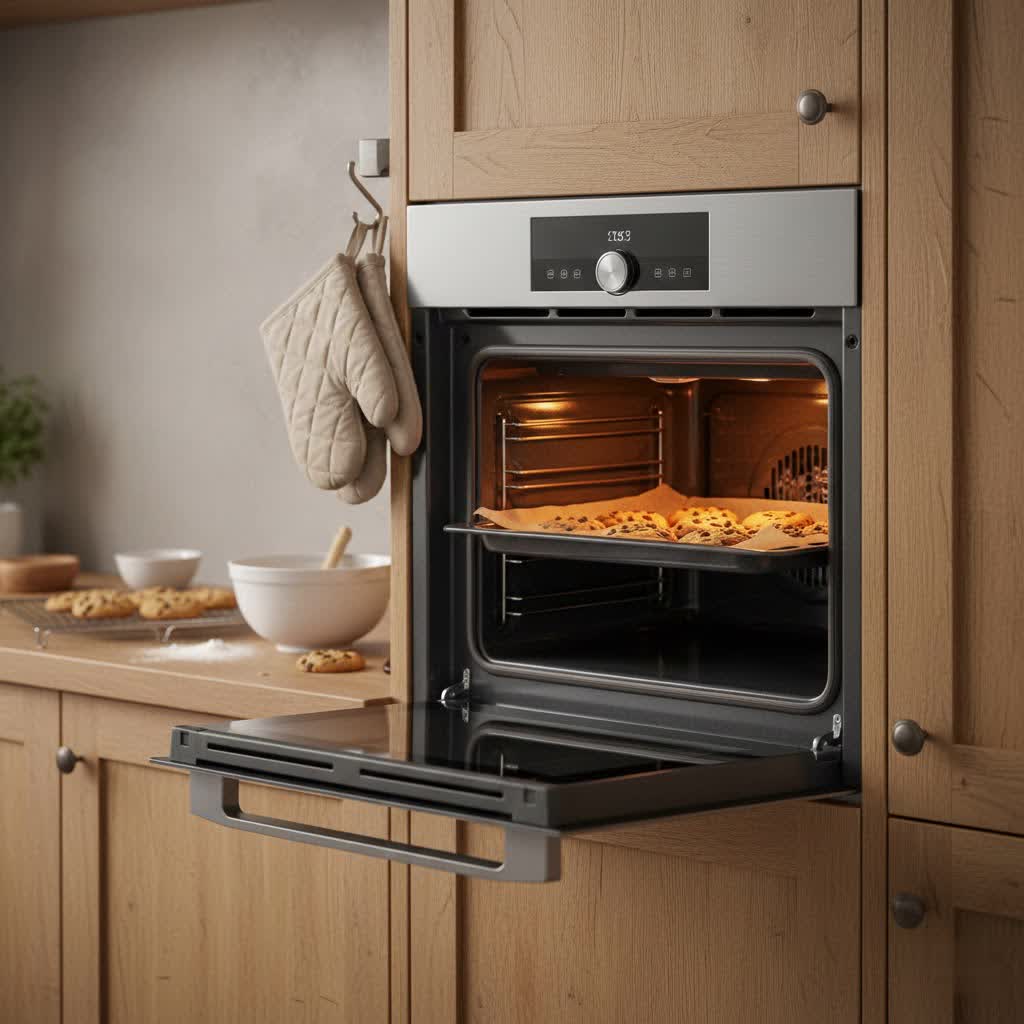
For anyone who dreams of achieving that coveted pizzeria-quality crust right in their own kitchen, a pizza stone is an indispensable tool. It transforms an ordinary home oven into a high-heat, moisture-absorbing powerhouse, mimicking the intense thermal environment of a professional brick oven. But simply owning a pizza stone isn’t enough; understanding the proper techniques for its use, from preheating to cleaning, is crucial to unlock its full potential. This guide will walk you through every step, ensuring your homemade pizzas emerge with beautifully blistered, perfectly crispy bases every time.
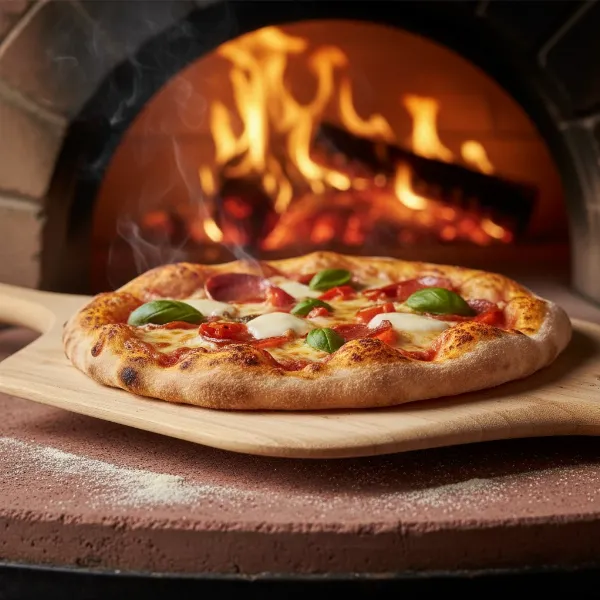 A perfectly cooked pizza with a crispy crust on a pizza stone, being pulled from a hot oven with a pizza peel.
Why a Pizza Stone? The Secret to Authentic Oven-Baked Pizza
A pizza stone works wonders by replicating the conditions of a traditional pizza oven. Crafted from porous materials like ceramic or cordierite, these stones absorb and retain a significant amount of heat. When a pizza is placed directly onto a preheated stone, this stored thermal energy is rapidly transferred to the dough, initiating an immediate “oven spring” and creating a beautifully crisp bottom crust. The porous nature of the stone also draws out excess moisture from the dough, preventing sogginess and contributing to that desirable chewy-crispy texture. This even, consistent heat distribution is far superior to a standard metal baking sheet, leading to a much more professional result.
Getting Started: First Steps with Your Pizza Stone
Before you embark on your pizza-making journey, a few initial steps will ensure your pizza stone is ready for action and lasts for years. First, upon purchasing a new stone, give it a quick wipe with a damp cloth to remove any dust or manufacturing residue. Do not use soap, as its porous surface can absorb detergents. Allow it to air dry completely before its first use.
Next, proper placement in your oven is paramount. Always place your pizza stone in a cold oven. Position it on the middle or lowest rack, ensuring there’s enough clearance above it for your pizza. Placing a cold stone into an already hot oven can lead to thermal shock, causing the stone to crack or even shatter due to rapid temperature change.
The Golden Rule of Pizza Stones: Perfect Preheating
Achieving a truly crispy crust hinges on one critical step: thorough preheating. Once your pizza stone is securely in place within your cold oven, set your oven to its highest temperature, typically between 450°F and 550°F (230°C to 288°C). While your oven’s indicator light might suggest it has reached temperature in 15-20 minutes, the stone itself requires much longer to absorb and store enough heat. For optimal results, allow the stone to preheat for at least 45 minutes to an hour after your oven signals it has reached the target temperature. This extended period ensures the stone is uniformly scorching hot, ready to deliver that instant crisp to your dough. Rushing this step is a common mistake that leads to a lackluster crust.
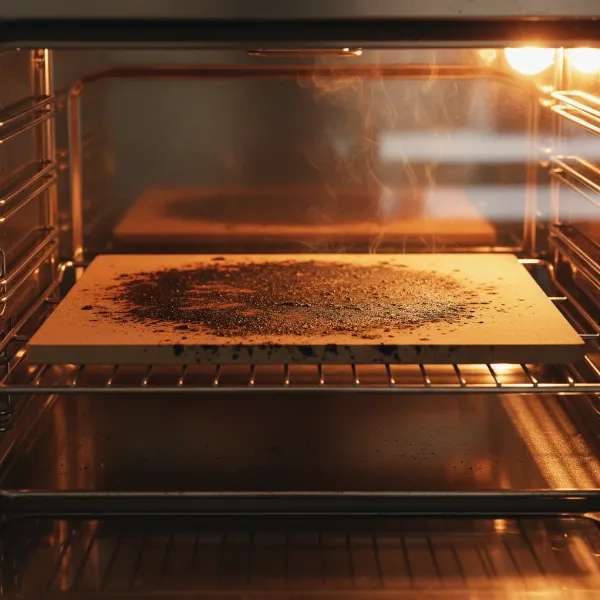 A dark, well-seasoned pizza stone sitting on an oven rack in a hot, glowing oven, ready for use.
Crafting Your Pie: Preparing and Launching Your Pizza
With your pizza stone superheated, focus on preparing your pizza. Ensure your pizza dough is at room temperature; placing cold dough onto a hot stone can also risk thermal shock, potentially cracking the stone or yielding a less effective bake. Gently stretch or roll your dough to your desired thickness. The best way to transfer your pizza onto the blistering hot stone is with a pizza peel. Dust the peel generously with cornmeal, semolina flour, or regular all-purpose flour. This acts as tiny ball bearings, allowing the pizza to slide off smoothly.
When adding toppings, remember that less is often more. Overloading your pizza can make it heavy and soggy, hindering the stone’s ability to create a crisp base. Distribute toppings evenly and avoid piling them too high. Have your pizza fully prepared on the peel and ready to go before you open the oven door.
Baking Your Masterpiece: In the Hot Oven
Now for the moment of truth! Carefully open the oven door and, with a swift, confident motion, slide your prepared pizza from the peel onto the center of the preheated pizza stone. This requires a bit of practice, but the dusting on your peel should help. Once the pizza is on the stone, quickly close the oven door to retain as much heat as possible.
Baking times will vary depending on your oven, pizza thickness, and desired doneness, but typically, a thin-crust pizza will cook in 8 to 12 minutes. Keep an eye on your pizza; the crust should be golden brown, the cheese melted and bubbly, and any exposed toppings slightly caramelized. Resist the urge to frequently open the oven door, as this causes heat fluctuations that can impact the bake.
Cool Down and Enjoy: Post-Bake Rituals
Once your pizza reaches perfection, use your pizza peel to carefully remove it from the oven. Transfer the cooked pizza to a cutting board or wire rack to cool for a few minutes before slicing. This allows the cheese and toppings to set, preventing them from sliding off when cut.
Critically, leave the pizza stone inside the oven to cool down gradually with the oven. Rapid cooling, such as placing a hot stone on a cold countertop or running cold water over it, is another primary cause of thermal shock and cracking. Patience here will preserve your stone for many future pizzas.
“Many home cooks rush the cooling process, but a pizza stone needs time to acclimate back to room temperature slowly. Think of it as a delicate ceramic; extreme temperature changes are its greatest enemy. Let your oven do the cooling for you.” – Admin of Reviewpls.com, Home Appliance Expert with 10+ Years Experience
Keeping Your Stone Pristine: Cleaning and Care
A well-loved pizza stone will develop a natural patina over time—dark spots and stains that tell a story of delicious meals. This discoloration is normal and does not affect the stone’s performance; in fact, many believe it enhances its non-stick qualities.
When it comes to cleaning, remember the golden rules:
- Ensure it’s completely cool: Never attempt to clean a hot pizza stone.
- No Soap: Due to its porous nature, a pizza stone will absorb soap, which can lead to soapy-tasting pizzas in the future. Avoid dish soap and abrasive chemical cleaners entirely.
- Scrape and Brush: For most cleaning, simply use a stiff-bristled brush or a metal scraper to remove any burnt-on food particles or excess flour once the stone is cool.
- Baking Soda Paste for Stains: For stubborn grease stains or sticky bits, you can create a paste from equal parts baking soda and water. Apply the paste, scrub gently with a brush, then wipe clean with a damp cloth. Make sure to wipe away all residue. Some even use a splash of vinegar in the paste for mold.
- No Soaking: Never submerge your pizza stone in water. This can cause it to absorb too much moisture, which can lead to cracking when reheated.
- Dry Thoroughly: After any wet cleaning, allow the stone to air dry completely for several hours, or even overnight, before storing or using it again.
Common Pizza Stone Mistakes to Avoid
Even with the best intentions, it’s easy to make mistakes that can compromise your pizza stone or your pizza. Here are some common pitfalls to steer clear of:
- Oiling the Stone: Unlike cast iron, pizza stones are porous and should not be oiled or seasoned. Oil will soak into the pores, potentially causing smoke in your oven and even becoming rancid over time.
- Using Parchment Paper: While convenient for other baking, parchment paper typically isn’t rated for the high temperatures required for pizza stones (usually over 430°F), and it can burn.
- Baking Frozen Pizzas: The extreme cold of a frozen pizza placed directly onto a superheated stone can cause thermal shock, risking cracks. Save your stone for fresh or thawed dough.
- Cutting Directly on the Stone: Using a pizza cutter or knife directly on the stone can scratch its surface and dull your utensils. Always transfer the pizza to a cutting board first.
- Leaving it in During Self-Cleaning Cycles: The extremely high temperatures of an oven’s self-cleaning cycle are far beyond what a pizza stone can withstand and will almost certainly cause it to crack.
- Not Enough Preheating Time: As emphasized, patience during preheating is paramount for a truly crispy crust. Don’t rely solely on your oven’s preheat indicator.
Beyond Pizza: Other Uses for Your Versatile Stone
While its name suggests a singular purpose, a pizza stone is a remarkably versatile kitchen tool. Its ability to maintain and evenly radiate high heat makes it excellent for a variety of other baked goods. Consider using your stone for:
- Artisan Breads: Achieve a beautiful, crusty exterior on loaves of bread.
- Crusty Rolls and Baguettes: Similar to bread, the stone promotes a fantastic crust.
- Cookies: Bake batches of cookies with evenly browned bottoms and consistent texture.
- Roasted Vegetables: Place a baking sheet with vegetables on top of the stone for accelerated, even roasting and a slight crispness.
- Baked Goods with Crisp Bottoms: Think calzones, flatbreads, or even some pies where a firm, golden bottom crust is desired.
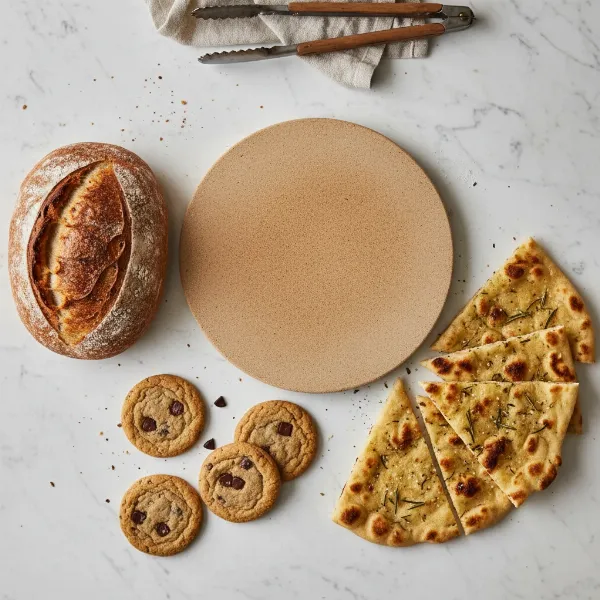 A variety of baked goods, including bread loaves and cookies, arranged around a pizza stone, showcasing its versatility.
Conclusion
Mastering the use of a pizza stone in your oven is a rewarding culinary skill that elevates homemade pizza to new heights. By understanding the importance of proper placement, extended preheating, careful launching, and mindful cleaning, you can consistently achieve the crispy, perfectly cooked crusts typically reserved for professional pizzerias. This simple yet powerful tool, when treated with the respect it deserves, will become a cornerstone of your kitchen, inspiring countless delicious pizzas and other baked delights for years to come. So, why settle for soggy bottoms when restaurant-quality pizza is within your reach? Get ready to impress your family and friends with pizzas that boast an irresistible crunch and flavor!
Frequently Asked Questions
How long does it take for a pizza stone to heat up?
|
Our Picks for the Best Oven in 2026
As an Amazon Associate I earn from qualifying purchases.
|
||
| Num | Product | Action |
|---|---|---|
| 1 | BLACK+DECKER TO3250XSBD 8-Slice Extra Wide Convection Countertop Toaster Oven, Includes Bake Pan, Broil Rack & Toasting Rack, Stainless Steel/Black |

|
| 2 | Gourmia French Door Air Fryer Oven - 37 Qt Large Capacity Convection Toaster Oven, FryForce 360°, Digital Display, 12 Cooking Presets, Dehydrate, Fits 13” Pizza, Dishwasher-Safe, Stainless Steel |
|
| 3 | BLACK+DECKER Crisp 'N Bake Air Fry Countertop Convection Toaster Oven, Medium Capacity, 4-Slice, 5-in-1, Fits 9” Pizza, 30-Min Timer, Bake, Broil, Air Fry, Toast, Keep Warm, Stainless Steel |
|
| 4 | Breville BOV900BSS Smart Oven Air Fryer Pro and Convection Oven, Brushed Stainless Steel |
|
| 5 | Ninja Air Fryer Toaster Oven Combo | 8-in-1 Functionality | Flip Up & Away for Storage Space | Air Fry Basket, Sheet Pan, Wire Rack & Removable Crumb Tray |1800 Watt | Stainless Steel | SP151 |
|
| 6 | Cuisinart Air Fryer Toaster Oven, 1800W, 8-in-1 with Air Fry, Convection, Broil & Warm, 0.6 Cubic Feet, 60-Minute Timer, TOA-70NAS, Stainless Steel |
|
| 7 | Elite Gourmet ETO-4510M French Door 47.5Qt, 18-Slice Convection Oven 4-Control Knobs, Bake Broil Toast Rotisserie Keep Warm, Includes 2 x 12" Pizza Racks, Stainless Steel |
|
| 8 | BLACK+DECKER Crisp 'N Bake Air Fryer Toaster Oven Combo, 12 in 1 Countertop Convection Oven Cooks Food Fast, Fits a Whole Pizza or 6 Toast Slices, French Doors with Stainless Steel Finish |
|
| 9 | Ninja Air Fryer & Toaster Oven Combo | 10-in-1 Prestige Smart XL Countertop Oven | Bake up to 20 Cookies, Fit up to a 12lb Turkey | Pizza, Toast, Bake, Dehydrate | 1800 Watt | Stainless Steel | DT501 |
|
| 10 | Emeril Lagasse Extra Large French Door Air Fryer Toaster Oven Combo, 24 Cooking Functions and Digital Controls, 7 Accessories Included, Stainless Steel Finish, 26QT Capacity |
|
A pizza stone needs to preheat for approximately 45-60 minutes after your oven reaches its set temperature (usually 450-550°F). This extended time ensures the stone fully absorbs and retains enough heat for an effective, crispy bake.
Can I put a cold pizza stone directly into a hot oven?
No, never put a cold pizza stone into a hot oven. The drastic and sudden change in temperature can cause thermal shock, which will likely result in your pizza stone cracking or shattering. Always place the stone in a cold oven before preheating.
Should I oil my pizza stone before using it?
No, it is generally recommended not to oil a pizza stone. Pizza stones are porous and will absorb the oil, which can lead to unpleasant smoking in your oven or cause the oil to go rancid over time, affecting the flavor of your pizzas.
How do I clean a pizza stone without soap?
To clean a pizza stone, first ensure it is completely cool. Then, use a stiff brush or metal scraper to remove any burnt-on food particles. For stubborn stains, create a paste of baking soda and water, scrub gently, and wipe clean with a damp cloth, making sure to remove all residue.
Why is my pizza crust soggy even with a pizza stone?
A soggy crust with a pizza stone often indicates insufficient preheating time for the stone, or overloading the pizza with too many wet toppings. Ensure the stone preheats for a full 45-60 minutes after the oven reaches temperature, and be mindful of your topping quantity.
Can I use parchment paper with a pizza stone?
It’s best to avoid using parchment paper directly on a pizza stone, especially at high pizza baking temperatures (500°F+). Most parchment papers have a maximum temperature rating around 430°F and can burn or smoke at higher heats, affecting your pizza’s taste and potentially causing a hazard.
How long does pizza take to cook on a pizza stone?
Pizza typically cooks faster on a preheated pizza stone than on a regular baking sheet. Depending on the thickness of your crust and desired crispiness, a homemade pizza usually bakes in about 8 to 12 minutes in a 450-550°F oven with a thoroughly preheated stone.