Choosing a new oven for your kitchen involves more than just picking the right size or features; understanding its electrical connection is paramount. Will it simply plug into a wall socket, or does it require a direct, permanent connection to your home’s electrical system? This crucial distinction between hardwired and plug-in ovens affects installation complexity, cost, and even the type of oven you can safely choose. As a seasoned expert with over a decade in home appliances, especially ovens, I’m here to demystify this decision and guide you through a safe, informed choice for your home.
Understanding Oven Power Requirements
The fundamental difference between a hardwired and a plug-in oven lies in its electrical power consumption, typically measured in kilowatts (kW) or amps. Most standard household plug sockets, particularly in regions like the UK, are designed to safely handle up to 13 amps, which equates to approximately 3 kilowatts (3kW) of power. If an oven’s electrical connection rating exceeds this threshold, it necessitates a hardwired connection to ensure a stable and safe power supply.
You can usually find your oven’s specific electrical connection rating in the user manual or on the appliance’s rating plate. This information is critical for determining the appropriate installation method and the type of electrical circuit required. Higher-powered ovens, such as double ovens or those with advanced features like pyrolytic self-cleaning or rapid preheat functions, almost always exceed the 3kW limit and therefore require hardwiring.
Hardwired Ovens: A Deeper Dive
A hardwired oven is connected directly to your home’s main electrical system, bypassing a standard wall outlet. This connection is permanent, integrating the appliance directly into a dedicated electrical circuit through an electrical junction box. This method ensures that high-power ovens receive a consistent and reliable supply without overloading standard sockets.
When Hardwiring is Necessary
Hardwiring becomes essential for appliances with high power demands. This commonly includes:
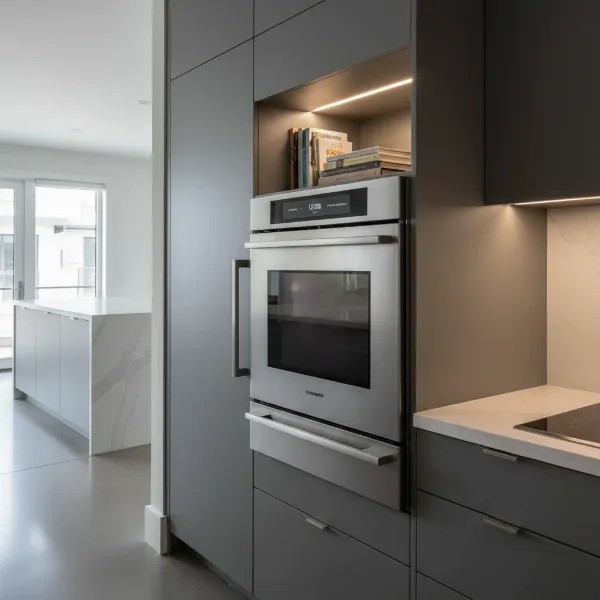
- Built-in wall ovens: Due to their significant power requirements, most electric wall ovens are hardwired.
- Double ovens: These consume considerably more power than single ovens, often requiring a 32 Amp fuse and hardwiring.
- Feature-rich ovens: Ovens with advanced functionalities like pyrolytic (self-cleaning) cycles, rapid preheating, or powerful convection systems often exceed the 3kW limit.
|
Our Picks for the Best Oven in 2026
As an Amazon Associate I earn from qualifying purchases.
|
||
| Num | Product | Action |
|---|---|---|
| 1 | Breville BOV900BSS Smart Oven Air Fryer Pro and Convection Oven, Brushed Stainless Steel |

|
| 2 | BLACK+DECKER Crisp 'N Bake Air Fryer Toaster Oven Combo, 12 in 1 Countertop Convection Oven Cooks Food Fast, Fits a Whole Pizza or 6 Toast Slices, French Doors with Stainless Steel Finish |
|
| 3 | Ninja Air Fryer Toaster Oven Combo | 8-in-1 Functionality | Flip Up & Away for Storage Space | Air Fry Basket, Sheet Pan, Wire Rack & Removable Crumb Tray |1800 Watt | Stainless Steel | SP151 |
|
| 4 | Gourmia French Door Air Fryer Oven - 37 Qt Large Capacity Convection Toaster Oven, FryForce 360°, Digital Display, 12 Cooking Presets, Dehydrate, Fits 13” Pizza, Dishwasher-Safe, Stainless Steel |
|
| 5 | Elite Gourmet ETO-4510M French Door 47.5Qt, 18-Slice Convection Oven 4-Control Knobs, Bake Broil Toast Rotisserie Keep Warm, Includes 2 x 12" Pizza Racks, Stainless Steel |
|
| 6 | Emeril Lagasse Extra Large French Door Air Fryer Toaster Oven Combo, 24 Cooking Functions and Digital Controls, 7 Accessories Included, Stainless Steel Finish, 26QT Capacity |
|
| 7 | Ninja Air Fryer & Toaster Oven Combo | 10-in-1 Prestige Smart XL Countertop Oven | Bake up to 20 Cookies, Fit up to a 12lb Turkey | Pizza, Toast, Bake, Dehydrate | 1800 Watt | Stainless Steel | DT501 |
|
| 8 | BLACK+DECKER TO3250XSBD 8-Slice Extra Wide Convection Countertop Toaster Oven, Includes Bake Pan, Broil Rack & Toasting Rack, Stainless Steel/Black |
|
| 9 | Cuisinart Air Fryer Toaster Oven, 1800W, 8-in-1 with Air Fry, Convection, Broil & Warm, 0.6 Cubic Feet, 60-Minute Timer, TOA-70NAS, Stainless Steel |
|
| 10 | BLACK+DECKER Crisp 'N Bake Air Fry Countertop Convection Toaster Oven, Medium Capacity, 4-Slice, 5-in-1, Fits 9” Pizza, 30-Min Timer, Bake, Broil, Air Fry, Toast, Keep Warm, Stainless Steel |
|
The Hardwired Installation Process
Installing a hardwired oven is a job for a qualified electrician. It involves directly connecting the oven’s electrical leads into your home’s wiring within a junction box. This typically means:
- Dedicated Circuit: The oven will operate on its own dedicated circuit, ensuring it doesn’t draw power away from other appliances and minimizes the risk of overloading.
- Appropriate Fusing: Depending on the oven’s power, a 16 Amp fuse might be needed for single or combi ovens, while double ovens often require a 32 Amp fuse.
- Isolation Switch: Hardwired ovens often have a distinct red isolation switch located on the wall nearby. This switch allows you to safely cut power to the oven for cleaning or maintenance without affecting the entire electrical circuit.
“For any oven with an electrical connection over 3kW, hardwiring is a must. This isn’t just about performance; it’s about safeguarding your home’s electrical system and ensuring your family’s safety.”
Pros and Cons of Hardwired Ovens
Pros:
- Stable Power Supply: Direct connection provides a more reliable and stable electrical flow, essential for optimal performance of high-power ovens.
- Higher Performance: Supports larger, more powerful ovens with advanced features.
- Integrated Aesthetics: No visible cords, creating a cleaner, more streamlined look for built-in kitchens.
- Enhanced Safety: When installed correctly by a professional, a dedicated hardwired circuit can offer robust safety.
Cons:
- Higher Installation Cost: Requires a qualified electrician, specialized wiring, and potentially new circuit installation, leading to greater upfront expense.
- Lack of Portability: Once installed, hardwired ovens are difficult and costly to move or relocate.
- Complex Relocation: Removing or replacing a hardwired unit typically necessitates further electrical work.
Plug-In Ovens: Convenience Unpacked
Plug-in ovens offer a simpler installation method, connecting to a standard electrical wall socket with a plug. This convenience makes them a popular choice for certain kitchen setups and appliance types.
When a Plug-In Oven is an Option
Plug-in ovens are suitable for appliances with lower power requirements, typically those consuming 3kW (or 13 amps) or less. These are usually:
- Smaller, basic single ovens: These models are designed to operate safely within the capacity of a standard wall outlet.
- Compact ovens or mini-ovens: Often intended for smaller households or limited kitchen spaces, they are designed for plug-and-play functionality.
The Plug-In Installation Process
The installation of a plug-in oven is significantly less complex than a hardwired unit:
- DIY-Friendly: In most cases, if an appropriate standard outlet is available, a plug-in oven can be installed by the homeowner simply by plugging it in.
- Standard Outlet: It requires a standard 13 Amp fuse and a compatible wall socket.
- Conversion Needs: If you are replacing an old hardwired oven with a new plug-in model, you will still need a qualified electrician to safely disconnect the old wiring and convert the hardwired outlet to a standard plug socket.
Pros and Cons of Plug-In Ovens
Pros:
- Easy Installation: Often a DIY task, saving on professional installation costs and time.
- Greater Portability: Easier to move the oven within the kitchen or take it with you if you relocate.
- Simple Replacement: Can be easily unplugged and replaced if faults occur or when upgrading.
Cons:
- Limited Power Capacity: Not suitable for high-performance or larger capacity ovens.
- Potential for Overload: Using a plug-in oven that exceeds the socket’s capacity can lead to dangerous overheating or circuit trips.
- Less Integrated Look: The power cord will be visible unless concealed, which might not suit all kitchen aesthetics.
Table Comparison: Hardwired vs. Plug-In Ovens
To further clarify the differences, here’s a quick comparison:
| Feature | Hardwired Oven | Plug-In Oven |
|---|---|---|
| Power Capacity | High (typically >3kW / >13 Amps) | Low (typically ≤3kW / 13 Amps) |
| Installation | Requires qualified electrician | Often DIY (if suitable outlet exists) |
| Installation Cost | Higher (professional labor, wiring) | Lower (no electrician usually needed) |
| Portability | None (permanent fixture) | High (easy to move) |
| Aesthetics | Integrated, seamless look (no visible cord) | Visible cord (unless carefully concealed) |
| Primary Safety Concern | Incorrect wiring by unqualified individual | Overloading the socket or circuit |
| Typical Oven Types | Built-in wall ovens, double ovens, high-feature ranges | Smaller single ovens, compact ovens |
Choosing the Right Connection for Your Oven
Making the best choice depends on several factors specific to your kitchen and lifestyle:
- Consult Your Oven’s Manual: Always refer to the manufacturer’s installation instructions first. This will clearly state the required electrical connection and power rating.
- Assess Power Needs: Consider the type of cooking you do. If you need a powerful double oven, or features like pyrolytic cleaning, hardwiring is almost certainly required.
- Evaluate Existing Electrical Infrastructure: Do you have a dedicated high-amp circuit available, or will one need to be installed? This impacts cost and feasibility.
- Consider Future Plans: If you anticipate moving your oven or upgrading frequently, a plug-in model might offer more flexibility. For a permanent built-in kitchen, hardwiring is the standard.
- Budget: Factor in not just the oven’s price, but also the installation cost, especially if electrical modifications are needed for hardwiring.
Important Safety Considerations
Electrical work, especially involving high-power appliances like ovens, carries significant risks if not handled correctly. Overloading circuits can lead to serious hazards, including blown fuses, tripped circuit breakers, melted wiring, and even electrical fires.
- Professional Expertise: For any hardwired oven installation or if you are unsure about your home’s electrical capacity, always engage a qualified and licensed electrician. Attempting DIY hardwiring is not only dangerous but often illegal.
- Local Codes: Ensure all installations comply with local electrical codes and ordinances. An electrician will be well-versed in these regulations.
- Dedicated Circuits: High-power appliances should always be on dedicated circuits to prevent overloading and ensure safety.
In the world of ovens, safety should always be the top priority. While the convenience of a plug-in oven is appealing for lighter-duty models, the robust power and stability of a hardwired connection are indispensable for high-performance cooking.
Conclusion
The choice between a hardwired and a plug-in oven hinges primarily on the appliance’s power requirements and your home’s electrical setup. While smaller, less powerful ovens offer the ease of a plug-in connection, modern, feature-rich, or built-in models almost universally demand a dedicated hardwired installation handled by a professional. Prioritizing safety and adherence to electrical codes will ensure your new oven operates efficiently and securely for years to come. So, before you fire up that first batch of cookies, make sure your oven is connected in the way that best serves both its power needs and your peace of mind.
Are you ready to determine the ideal electrical connection for your dream oven?
Frequently Asked Questions
What’s the main factor determining if an oven is hardwired or plug-in?
The primary factor is the oven’s electrical power rating, typically expressed in kilowatts (kW) or amps. Ovens exceeding approximately 3kW (or 13 amps) generally require hardwiring to handle the higher electrical load safely, while those below this threshold can often use a standard plug.
Can I convert a hardwired oven to plug-in, or vice-versa?
Converting from hardwired to plug-in is possible if the oven’s power rating is suitable for a standard plug socket, but it requires a qualified electrician to safely install a new outlet. Converting a plug-in oven to hardwired is also possible, but it is a complex electrical job that mandates a professional electrician to install a dedicated circuit and direct wiring.
Do all built-in wall ovens need to be hardwired?
The vast majority of built-in wall ovens require hardwiring due to their high power demands. However, a small number of “plug and play” wall ovens with lower power requirements (e.g., around 2.2kW) exist and can be plugged into a regular 10-amp power point. Always check the specific oven’s manual.
What are the risks of incorrect oven installation?
Incorrect oven installation, particularly with hardwired units or if a plug-in oven overloads a circuit, can lead to serious hazards. Risks include electrical fires, electric shock, damage to the appliance, frequent circuit breaker trips, blown fuses, and overheating of electrical wiring. Always consult a qualified electrician.