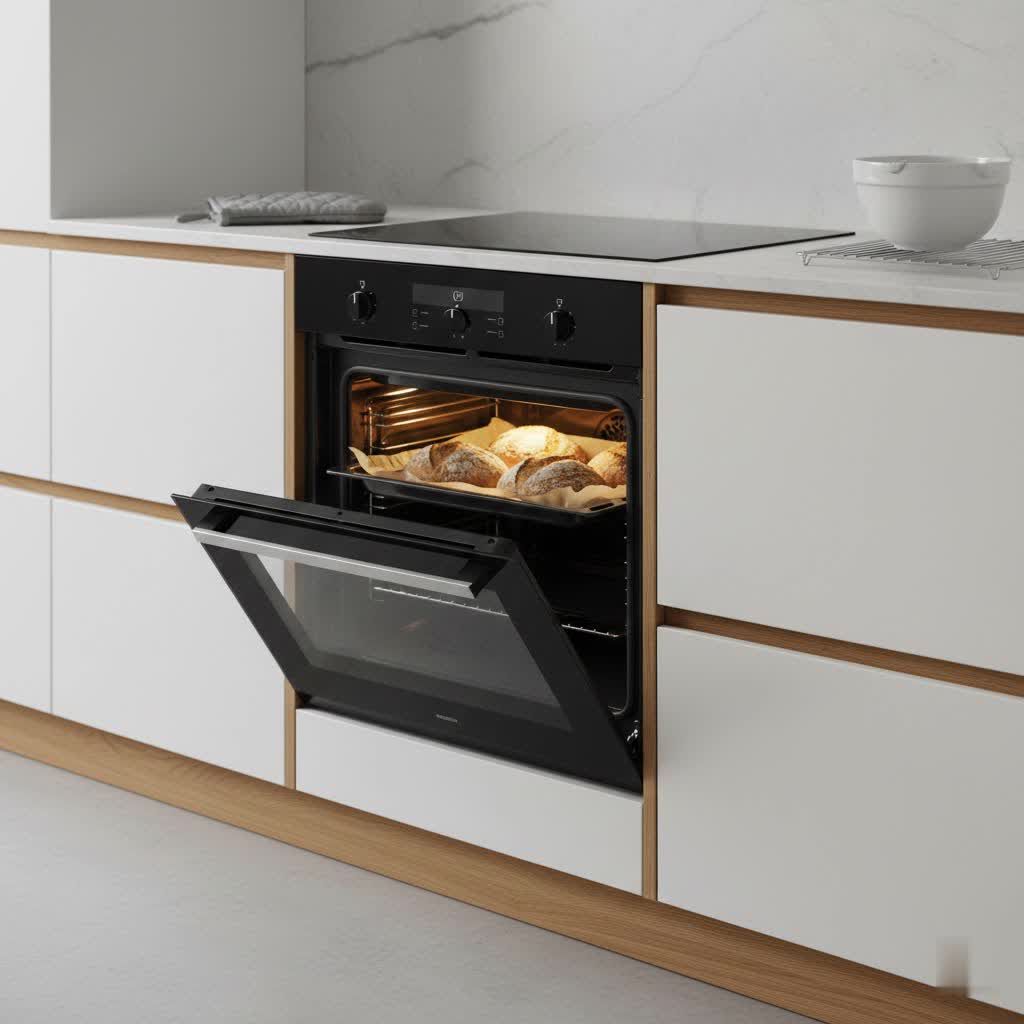
Have you ever pulled a dish from the oven, only to find one side perfectly golden and the other barely cooked? Or perhaps your baked goods come out uneven, with some parts undercooked and others nearly burnt? These common kitchen frustrations often stem from the limitations of traditional ovens. Fortunately, the culinary world has evolved, offering a powerful solution: the fan-assisted oven. These innovative appliances promise a more consistent, efficient, and ultimately superior cooking experience, making them an indispensable tool for any home chef looking to elevate their dishes.
What Are Fan-Assisted Ovens and How Do They Work?
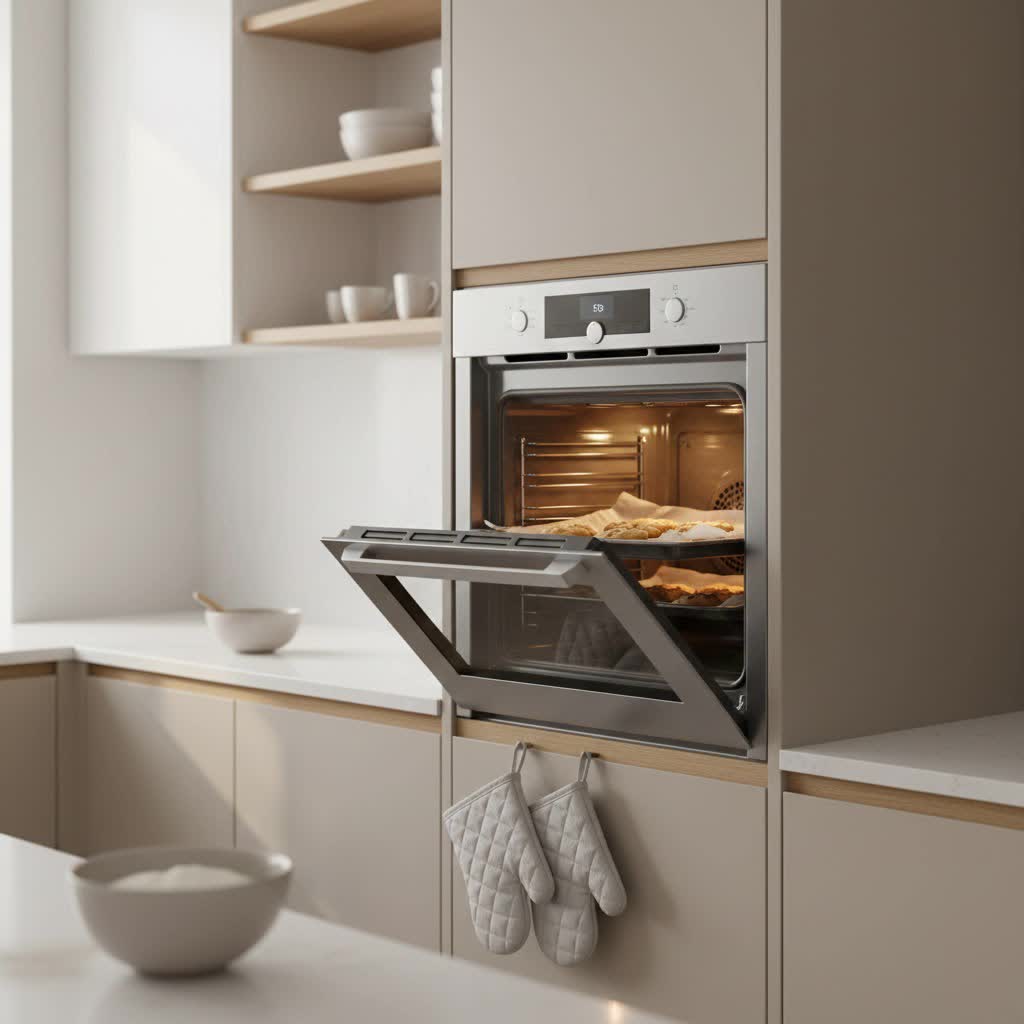
At its core, a fan-assisted oven, also widely known as a convection oven, incorporates a simple yet revolutionary design element: a fan. Unlike conventional ovens that rely solely on static heating elements at the top and bottom, fan-assisted models actively circulate hot air throughout the cooking cavity. This constant movement of air ensures a consistently even temperature, eliminating the notorious hot and cold spots found in traditional ovens.
When you engage the fan-assisted setting, heat from the oven’s elements is propelled by a fan, typically located at the back of the oven. This forced air convection wraps around your food, transferring heat more efficiently than stagnant air. This means every inch of your dish receives the same amount of heat, resulting in more uniform cooking and browning. Many fan-assisted ovens are multi-functional, offering the flexibility to switch off the fan and operate as a conventional oven, providing the best of both worlds for diverse culinary needs.
Benefits of Fan-Assisted Ovens: Why You Need One
Choosing a fan-assisted oven can dramatically transform your cooking, offering a multitude of advantages that make it a worthy upgrade for any kitchen.
Even Heat Distribution & Multi-Shelf Cooking
|
Our Picks for the Best Oven in 2026
As an Amazon Associate I earn from qualifying purchases.
|
||
| Num | Product | Action |
|---|---|---|
| 1 | BLACK+DECKER Crisp 'N Bake Air Fry Countertop Convection Toaster Oven, Medium Capacity, 4-Slice, 5-in-1, Fits 9” Pizza, 30-Min Timer, Bake, Broil, Air Fry, Toast, Keep Warm, Stainless Steel |

|
| 2 | Cuisinart Air Fryer Toaster Oven, 1800W, 8-in-1 with Air Fry, Convection, Broil & Warm, 0.6 Cubic Feet, 60-Minute Timer, TOA-70NAS, Stainless Steel |
|
| 3 | Ninja Air Fryer & Toaster Oven Combo | 10-in-1 Prestige Smart XL Countertop Oven | Bake up to 20 Cookies, Fit up to a 12lb Turkey | Pizza, Toast, Bake, Dehydrate | 1800 Watt | Stainless Steel | DT501 |
|
| 4 | Gourmia French Door Air Fryer Oven - 37 Qt Large Capacity Convection Toaster Oven, FryForce 360°, Digital Display, 12 Cooking Presets, Dehydrate, Fits 13” Pizza, Dishwasher-Safe, Stainless Steel |
|
| 5 | Ninja Air Fryer Toaster Oven Combo | 8-in-1 Functionality | Flip Up & Away for Storage Space | Air Fry Basket, Sheet Pan, Wire Rack & Removable Crumb Tray |1800 Watt | Stainless Steel | SP151 |
|
| 6 | Emeril Lagasse Extra Large French Door Air Fryer Toaster Oven Combo, 24 Cooking Functions and Digital Controls, 7 Accessories Included, Stainless Steel Finish, 26QT Capacity |
|
| 7 | Breville BOV900BSS Smart Oven Air Fryer Pro and Convection Oven, Brushed Stainless Steel |
|
| 8 | Elite Gourmet ETO-4510M French Door 47.5Qt, 18-Slice Convection Oven 4-Control Knobs, Bake Broil Toast Rotisserie Keep Warm, Includes 2 x 12" Pizza Racks, Stainless Steel |
|
| 9 | BLACK+DECKER Crisp 'N Bake Air Fryer Toaster Oven Combo, 12 in 1 Countertop Convection Oven Cooks Food Fast, Fits a Whole Pizza or 6 Toast Slices, French Doors with Stainless Steel Finish |
|
| 10 | BLACK+DECKER TO3250XSBD 8-Slice Extra Wide Convection Countertop Toaster Oven, Includes Bake Pan, Broil Rack & Toasting Rack, Stainless Steel/Black |
|
One of the most significant benefits of a fan-assisted oven is its ability to maintain a uniform temperature. The circulating hot air ensures that heat reaches every corner, preventing uneven cooking. This consistency is particularly valuable when you’re cooking multiple items simultaneously on different shelves. Imagine roasting vegetables, baking cookies, and warming a casserole all at once, with each dish cooking perfectly without needing to rotate trays. This capability saves time and effort, especially when preparing large meals or batch cooking.
Faster Cooking Times & Energy Efficiency
Thanks to the efficient heat transfer of circulating air, fan-assisted ovens typically cook food 20% to 30% faster than their conventional counterparts. This accelerated cooking not only means quicker meal preparation but also allows you to use a lower temperature setting for many recipes—often 20 degrees Celsius less than specified for a conventional oven. The combination of reduced cooking time and lower temperatures translates directly into significant energy savings and reduced electricity bills over time. Faster pre-heating also adds to their efficiency, getting you cooking sooner.
Achieving Perfect Roasts and Crispy Textures
The dry, circulating heat in a fan-assisted oven is ideal for achieving a beautifully crisp exterior on roasted meats, poultry, and vegetables. The continuous airflow helps to quickly brown surfaces, creating that coveted golden crust and sealing in moisture for tender interiors. It’s also excellent for crisping up pizzas, fries, and pastries, giving them a delightful crunch that’s hard to achieve in a static oven. This makes them a favorite for dishes where texture is paramount.
Versatility with Multiple Cooking Modes
Many fan-assisted ovens are designed with versatility in mind, offering a range of cooking modes beyond just fan-assisted. This often includes traditional top and bottom heating elements, allowing you to choose between convection and conventional cooking. This flexibility is crucial for certain delicate recipes, like some cakes and breads, which might benefit from the gentler, less drying heat of a conventional setting. Having these options empowers you to adapt your oven to suit any recipe, ensuring optimal results every time.
Types of Ovens and Where Fan-Assisted Fits In
The fan-assisted mechanism is a feature found across various oven categories, enhancing their performance. Understanding where it fits can help you select the best model for your kitchen.
Standard Ovens (Conventional Ovens)
A standard or conventional oven relies on radiant heat from elements at the top and bottom. Heat naturally rises, creating temperature variations with hotter zones at the top and cooler areas near the bottom. While excellent for traditional recipes that benefit from this heat stratification, they lack the uniform cooking of a fan-assisted model. Many modern freestanding ranges now integrate fan-assisted capabilities, offering users the choice between conventional and convection baking.
Microwave Ovens with Convection Function
For compact kitchens or those seeking maximum utility, microwave ovens equipped with a convection function are a superb choice. These appliances combine the speed of microwave cooking with the even heat and browning capabilities of a fan-assisted oven. They are ideal for quick meals, reheating, and simple baking or roasting tasks, saving counter space while providing impressive versatility. However, their smaller capacity might limit their use for larger dishes.
Built-in Fan-Assisted Ovens
Built-in fan-assisted ovens are a staple in contemporary kitchen design, offering a seamless and integrated look. These models are typically installed into cabinetry, providing a sleek, modern aesthetic. They often boast larger capacities and a wider array of advanced features, including precise temperature control, multiple fan settings, and specialized cooking programs. Built-in options are perfect for avid cooks and bakers who appreciate both high performance and sophisticated design.
Compact Fan-Assisted Ovens
Perfect for smaller households, apartments, or as a secondary cooking appliance, compact fan-assisted ovens deliver powerful performance in a minimal footprint. Despite their size, they incorporate the core benefits of fan-assisted technology, ensuring even and efficient cooking. While their capacity is limited, they are incredibly convenient for preparing individual meals, side dishes, or small batches of baked goods without heating up a full-sized oven.
Comparing Fan-Assisted Ovens to Conventional Ovens
To truly appreciate the advantages, let’s look at how fan-assisted ovens stack up against conventional models.
| Feature | Conventional Oven | Fan-Assisted Oven |
|---|---|---|
| Heat Source | Top & Bottom Elements | Elements + Circulating Fan |
| Heat Distribution | Uneven (hot spots) | Uniform & Consistent |
| Cooking Speed | Slower | Faster (20-30% quicker) |
| Energy Efficiency | Lower | Higher (lower temp, less time) |
| Browning/Crisping | Moderate, requires rotation | Excellent, even browning |
| Multi-shelf Cooking | Challenging, uneven | Ideal, consistent results |
| Moisture Retention | Higher (good for some baking) | Lower (can dry out delicate items) |
| Flexibility | Static heat only | Often offers both modes |
Choosing the Right Fan-Assisted Oven for Your Kitchen
Selecting the perfect fan-assisted oven involves considering your lifestyle, cooking habits, and budget. Here’s a guide to help you make an informed decision.
Assess Your Cooking Needs and Habits
Begin by reflecting on your culinary routine. Do you frequently roast large cuts of meat, bake multiple trays of cookies, or simply need an efficient appliance for everyday meals? If you’re passionate about baking delicate pastries, a model with a conventional mode or specific low-fan settings might be essential. For those who prioritize speed and convenience, a high-performance fan-assisted oven with rapid pre-heating will be a game-changer. Consider the types of dishes you prepare most often to ensure the oven’s features align with your cooking style.
Consider Oven Capacity
The capacity of your oven directly impacts the size of dishes you can cook and the quantity of food you can prepare at once. For individuals or couples, a compact fan-assisted oven (10-20 liters) might suffice. Families of 3-5 people will generally find a standard fan-assisted built-in or range oven (30-50 liters) more suitable. For large families, entertainers, or those who frequently cook substantial meals, models over 50 liters will offer the necessary space and flexibility.
Key Features to Look For
Modern fan-assisted ovens come packed with features designed to enhance your cooking experience. Look for:
- Precise Temperature and Timer Controls: Digital controls often offer greater accuracy.
- Convection Mode Options: Some ovens offer varying fan speeds or specialized convection programs for different foods.
- Interior Lighting: A bright oven light allows you to monitor food without opening the door, maintaining consistent temperature.
- Easy-Clean Interiors: Features like catalytic or pyrolytic cleaning can significantly reduce maintenance effort.
- Removable Racks and Trays: For ease of cleaning and adjusting cooking configurations.
Reputable Brands
Investing in a well-regarded brand often means better reliability, performance, and customer support. Some of the top brands known for quality ovens include Electrolux, Panasonic, Sharp, Sunhouse, and Sanaky. Researching specific models within these brands can help you find an oven that combines innovative fan-assisted technology with durable construction and user-friendly design.
Maximizing Your Fan-Assisted Oven’s Performance
Once you’ve brought your fan-assisted oven home, a few practices can help you get the most out of its advanced capabilities and ensure longevity.
Read the User Manual Thoroughly
Every oven is unique, and your user manual is the definitive guide to its specific functions, features, and recommended usage. Pay close attention to temperature adjustment guidelines for fan-assisted cooking, as many recipes are written for conventional ovens. Understanding your oven’s particular fan settings—whether it’s a true convection or a fan-assisted model with selectable modes—will optimize your cooking results and prevent frustration.
Clean Your Oven Regularly
Consistent cleaning is vital for maintaining your oven’s efficiency and hygiene. Food splatters and grease buildup can create smoke, affect food flavors, and even hinder heat distribution. Utilize your oven’s self-cleaning functions if available, or regularly clean by hand with appropriate oven cleaners. A clean oven operates more effectively and extends the lifespan of the appliance.
Adjust Recipes for Convection Cooking
Since fan-assisted ovens cook faster and more evenly, you’ll often need to adjust traditional recipes. A good rule of thumb is to reduce the suggested temperature by about 20-25 degrees Celsius (or 25-50 degrees Fahrenheit) or shorten the cooking time by 20-30%. For dishes requiring precise moisture levels, like delicate soufflés or certain artisan breads, you might consider using the conventional setting or a lower fan speed if available.
Use Proper Cookware and Ensure Airflow
While fan-assisted ovens are forgiving, using the right cookware can enhance performance. Opt for roasting pans and baking sheets with lower sides to allow hot air to circulate freely around the food. Avoid overfilling the oven or packing trays too tightly, as this can obstruct airflow and reduce the effectiveness of the fan. Leave adequate space between dishes and the oven walls for optimal heat distribution.
Conclusion
Fan-assisted ovens are more than just an appliance; they are a significant upgrade that offers a host of benefits, from perfectly even cooking and faster meal preparation to enhanced energy efficiency. Their ability to deliver consistent results, whether you’re roasting a Sunday dinner or baking a batch of cookies, makes them an invaluable addition to any modern kitchen. By understanding how they work and how to leverage their unique features, you can unlock a new level of culinary precision and enjoyment.
Are you ready to experience the difference a fan-assisted oven can make in your daily cooking?
Frequently Asked Questions
How much faster does food cook in a fan-assisted oven?
Typically, food cooks 20-30% faster in a fan-assisted oven compared to a conventional oven. This is due to the continuous circulation of hot air, which accelerates the heat transfer process and reduces overall cooking time.
Do I need to adjust recipes when using a fan-assisted oven?
Yes, it’s generally recommended to adjust recipes. You should either lower the cooking temperature by about 20-25°C (40-50°F) or reduce the cooking time by 20-30%. Some advanced models may have automatic conversion settings.
Are fan-assisted ovens more energy efficient?
Absolutely. By cooking food faster and often at lower temperatures, fan-assisted ovens consume less energy than conventional ovens over time, leading to lower electricity bills and a smaller carbon footprint.
Can I bake cakes and bread in a fan-assisted oven?
While excellent for many baked goods, the dry, circulating air can sometimes dry out delicate cakes or certain breads. Many fan-assisted ovens offer a conventional mode or specific “baking” settings with a gentler fan to accommodate these items, providing versatility.
What is the ideal temperature reduction for fan-assisted cooking?
A common guideline is to reduce the recipe’s specified temperature by 20 degrees Celsius (about 40 degrees Fahrenheit) when using the fan-assisted setting. However, always refer to your oven’s manual for precise recommendations.