The promise of a sparkling clean oven with the touch of a button is undeniably appealing, transforming one of the most dreaded kitchen chores into a seemingly effortless task. Modern self-cleaning ovens offer unparalleled convenience, yet beneath this allure lies a critical question for many homeowners: are these high-tech appliances truly safe for the intricate electronics they house and the smart devices often found nearby? This deep dive explores the science behind self-cleaning cycles, dissects the potential risks to electronic components, and provides essential guidance for maintaining a clean kitchen without compromising your valuable technology.
Understanding Self-Cleaning Oven Technology
Self-cleaning ovens have revolutionized kitchen maintenance, but not all systems are created equal. Understanding the different technologies is crucial to assessing their impact on electronics.
Pyrolytic Self-Cleaning: The High-Heat Method
Table is empty.Pyrolytic self-cleaning is the most common and potent method, relying on extreme temperatures to incinerate food residue. During this cycle, the oven cavity heats to astonishing levels, typically ranging from 445°C (833°F) to as high as 482°C (900°F), with some reaching nearly 1000°F. This intense heat turns grease, spills, and baked-on grime into a fine ash that can be easily wiped away once the oven cools. While incredibly effective at cleaning, this extreme thermal stress is the primary source of concern for electronic components.
Catalytic and Steam Cleaning: Gentler Alternatives
In contrast, catalytic self-cleaning ovens feature special liners on their interior walls that absorb and break down grease and food spatters. These liners are treated with high metals and non-volatile binders, acting as catalysts to oxidize food residues. This process occurs at normal cooking temperatures, typically around 200°C to 220°C (392°F to 428°F), making it far less strenuous on electronics. Steam cleaning, another alternative, uses heat and water to generate steam, which softens grime at much lower temperatures. While steam cleaning requires more manual effort afterwards, both catalytic and steam methods pose significantly lower risks to internal and external electronics due to their less aggressive thermal profiles.
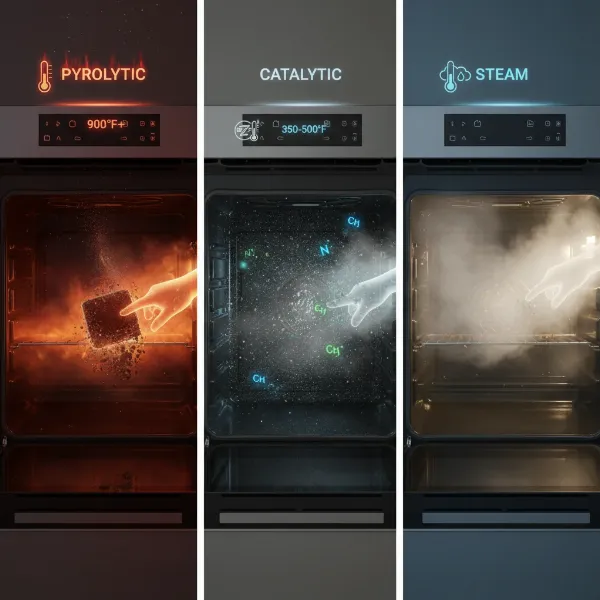 Various types of self-cleaning ovens and their cleaning mechanisms, highlighting pyrolytic, catalytic, and steam methods.
The Hidden Dangers: How Self-Cleaning Cycles Affect Electronics
The very mechanism that makes pyrolytic self-cleaning so effective—extreme heat—is also its Achilles’ heel when it comes to electronics. Both the oven’s internal systems and nearby devices can be vulnerable.
Risk to Your Oven’s Internal Control Systems
Modern ovens are complex machines, relying heavily on sophisticated electronic control boards, digital touch panels, and numerous sensors. These components are designed to withstand normal cooking temperatures, but the prolonged, intense heat of a pyrolytic self-cleaning cycle can push them beyond their operational limits. Technicians frequently report failures in critical parts such as the locking mechanism (which can fuse or warp), the thermostat, thermal fuses, and the main electronic circuit board. The extreme temperatures can cause solder joints to melt or circuit boards to short-circuit, leading to malfunctions like flickering displays, unresponsive buttons, inaccurate temperature readings, or even complete oven failure. This often results in expensive repairs, sometimes costing hundreds of dollars.
Impact on Nearby Smart Devices and Appliances
It’s not just the oven’s internal components that are at risk. The intense heat generated during a pyrolytic cycle can radiate outwards, affecting adjacent cabinetry and any electronic devices positioned too close. For instance, smart home hubs, tablets, smartphones, or even other kitchen appliances like dishwashers (especially if they share a common outlet or are poorly insulated) can suffer damage. The radiated heat can melt plastic components, warp finishes on cabinets, or degrade the performance of sensitive electronics. Appliance experts recommend maintaining at least 15 inches of clearance around the oven to mitigate this risk, highlighting that even well-insulated modern ovens can still emit significant heat into their surroundings.
Warning Signs of Heat-Induced Electronic Damage
Recognizing the signs of heat damage is crucial. After a self-cleaning cycle, be vigilant for any unusual behavior from your oven or nearby electronics. This could include the oven display flickering, buttons becoming unresponsive, error codes appearing, or the oven failing to heat properly during subsequent use. For adjacent electronics, look for signs of overheating such as plastic warping, unusual smells, or device malfunctions. If you notice any of these indicators, it’s advisable to cease using the affected appliance and consult a professional.
Safeguarding Your Kitchen: Best Practices for Self-Cleaning Oven Use
Given the potential risks, responsible use and proactive measures are paramount when operating a self-cleaning oven. Following specific guidelines can help protect your appliance and home.
Pre-Cycle Preparations and Essential Steps
Before initiating a pyrolytic self-cleaning cycle, always remove all oven racks, baking sheets, and any other accessories, as the extreme heat can discolor them and degrade their non-stick coatings. It is also wise to wipe out any large food debris or excessive grease from the oven cavity. While the self-cleaning function is designed to burn off residue, large accumulations can produce excessive smoke and potentially increase fire risk, compounding the thermal stress on the appliance.
Ensuring Adequate Ventilation and Clearance
Proper ventilation is absolutely critical during a self-cleaning cycle. The intense heat not only generates fumes from burning food particles but can also release other volatile organic compounds. Always open kitchen windows, turn on your range hood to its highest setting, and ensure adequate airflow throughout your home. Furthermore, if your oven is a slide-in or freestanding model, consider pulling it away from the wall to provide additional cooling to the rear, where many electronic components are housed. This extra space helps dissipate heat and protects surrounding cabinetry and nearby electronics.
> “While the self-cleaning feature offers convenience, the extreme temperatures can significantly stress an oven’s components, particularly the delicate electronic controls. Prioritize ventilation and consider alternative cleaning methods for long-term appliance health.” – Rob Davis, Lead Technician, General Appliance Service
Expert Advice: To Self-Clean or Not to Self-Clean?
Many appliance repair technicians and industry experts frequently advise against using the pyrolytic self-cleaning function altogether, citing it as a leading cause of oven breakdowns and costly repairs. They argue that the immense heat often exceeds what internal electronic components are truly designed for, even with factory insulation. Some technicians metaphorically compare it to running a car at its maximum speed for an extended period—it might work, but it will significantly shorten its lifespan. If you do choose to use it, consider running shorter cycles, and always perform it when you are home to monitor the process, with plenty of ventilation.
A Comparative Look: Self-Cleaning Types and Electronic Risk
To make an informed decision, it’s helpful to compare the different self-cleaning methods based on their mechanism, temperature, and associated risks to electronics. This overview can guide your choice in both usage and future purchases.
| Cleaning Type | Mechanism | Max. Temperature (Approx.) | Electronic Risk (Internal/External) | Advantages | Disadvantages |
|---|---|---|---|---|---|
| Pyrolytic | Extreme heat incinerates residue | 400-500°C (800-1000°F) | High – Significant risk of damage to oven’s control board, thermostat, locking mechanism, and nearby external electronics/cabinetry. | Most thorough cleaning, minimal manual effort. | High repair risk, energy-intensive, fumes, potential for fire. |
| Catalytic | Special liners absorb and oxidize grease | 200-220°C (392-428°F) | Low – Operates at normal cooking temperatures; minimal risk to electronics. | Continuous cleaning during cooking, energy-efficient. | Less effective for heavy spills, liners may need replacement over time, not as comprehensive as pyrolytic. |
| Steam Clean | Steam loosens grime | 65-200°C (150-400°F) | Very Low – Operates at much lower temperatures; negligible risk to electronics. | Economical, eco-friendly, no harsh fumes. | Requires manual wiping afterwards, less effective for stubborn, baked-on stains. |
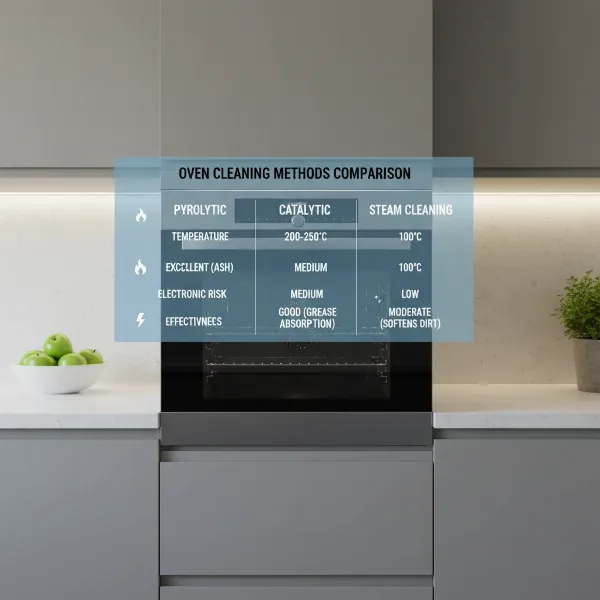 A comparison chart of different oven cleaning methods and their impact on electronics.
Beyond Self-Cleaning: Safer Oven Maintenance Alternatives
For those concerned about the electronic integrity of their oven or the safety of their home, there are several effective, safer alternatives to pyrolytic self-cleaning. These methods often require a bit more effort but significantly reduce the risk of damage.
Manual Cleaning Methods for a Pristine Oven
Traditional manual cleaning remains a highly recommended approach by appliance professionals. A simple paste made from baking soda and water can work wonders on baked-on grime when left to sit overnight, making it easier to scrub away. For lighter residue, a solution of lemon and water heated in the oven can create steam to loosen dirt, followed by a quick wipe-down. Commercial oven cleaners designed for manual application are also an option, but always ensure proper ventilation and follow product instructions carefully. These methods avoid the extreme heat exposure that jeopardizes electronic components.
Why Regular Maintenance Reduces the Need for Extreme Cleaning
The best way to prevent the need for intense self-cleaning cycles is consistent, regular maintenance. Wiping up spills as they happen or shortly after the oven has cooled can prevent food particles from becoming stubbornly baked on. Using oven liners or baking sheets beneath dishes prone to bubbling over can also significantly reduce mess. By proactively addressing grime, you can largely eliminate the need for high-heat cleaning methods, preserving your oven’s lifespan and the safety of its electronic systems.
Conclusion
Self-cleaning ovens, particularly those employing pyrolytic technology, offer unmatched convenience in kitchen maintenance. However, this convenience comes with a trade-off, as the extreme temperatures involved pose a significant risk to the oven’s intricate internal electronics and potentially to nearby smart devices and cabinetry. While catalytic and steam cleaning offer gentler, safer alternatives, appliance experts frequently caution against the regular use of high-heat self-cleaning cycles due to the high likelihood of costly repairs and reduced oven lifespan. By understanding these risks, adopting diligent manual cleaning habits, and making informed choices about oven maintenance, you can keep your kitchen sparkling clean while ensuring the longevity and safety of your valuable electronic appliances. What steps will you take to keep your oven pristine without risking its smart core?
Frequently Asked Questions
What temperature does a self-cleaning oven reach?
Pyrolytic self-cleaning ovens typically reach very high temperatures, ranging from 445°C (833°F) to 482°C (900°F), with some models even exceeding 1000°F. This intense heat is designed to incinerate food residue into a fine ash, making it easy to wipe away after the cycle completes and the oven has cooled.
Can the self-cleaning cycle damage my oven’s electronic control panel?
Yes, the extreme heat generated during a pyrolytic self-cleaning cycle can significantly damage your oven’s electronic control panel, touch screen, thermostat, and wiring. This can lead to malfunctions, error codes, unresponsive buttons, or even complete failure, often requiring expensive professional repairs to restore functionality.
Is it safe to leave other electronics near a self-cleaning oven?
It is generally not recommended to leave sensitive electronic devices too close to a self-cleaning oven, especially during a pyrolytic cycle. The high radiant heat can affect nearby electronics, potentially causing components to overheat, melt plastic parts, or lead to device malfunction. Maintaining at least 15 inches of clearance is often advised.
How often should I use the self-cleaning feature?
Many appliance repair technicians advise against frequent use of the pyrolytic self-cleaning feature, or even against its use altogether, due to the stress it puts on the oven’s components. If used, limiting it to once or twice a year, or only when absolutely necessary, is a common recommendation to extend your oven’s lifespan.
Are there safer alternatives to pyrolytic self-cleaning?
Yes, safer alternatives include manual cleaning with baking soda paste, lemon and water solutions for steam cleaning, or commercial oven cleaners. Catalytic self-cleaning ovens, which use special liners to break down grease at normal cooking temperatures, and steam cleaning functions also pose much lower risks to electronics.