Choosing the right kitchen appliance can transform your culinary experience, turning everyday meals into delightful creations. But with so many options available, discerning the perfect fit for your lifestyle and cooking aspirations can feel like a daunting task. Specifically, when comparing a microwave oven to a speed oven, many find themselves at a crossroads. While both offer convenience and speed, their underlying technology, cooking capabilities, and ideal applications differ significantly. This guide will delve into the core distinctions between these two popular kitchen workhorses, helping you understand which appliance will best serve your unique needs and culinary ambitions.
Understanding Your Oven Options: Microwave vs. Speed Oven
To truly appreciate the nuances, let’s first establish a clear understanding of each appliance and its fundamental operation. While both are designed for quick cooking, their methodologies lead to vastly different results.
The Conventional Microwave Oven: Quick Heating Simplified
Table is empty.The microwave oven has been a staple in kitchens for decades, primarily celebrated for its ability to rapidly heat and defrost food. Its operation is straightforward: it uses microwave radiation to excite water molecules within food, generating heat from the inside out. This process is incredibly efficient for warming up leftovers, cooking pre-packaged meals, or boiling water in a flash.
The key advantages of a microwave oven include its undeniable speed for basic tasks, its relatively low cost, and its compact footprint, making it accessible for almost any kitchen size. It’s incredibly user-friendly, often requiring little more than setting a time and power level. However, the reliance on microwave energy alone means it cannot brown, crisp, or achieve the complex textures associated with traditional baking or roasting. Foods often emerge hot but lack the appetizing exterior and depth of flavor that other cooking methods provide. It’s an ideal tool for convenience-focused individuals or for supplementary heating tasks.
The Versatile Speed Oven: Beyond Simple Reheating
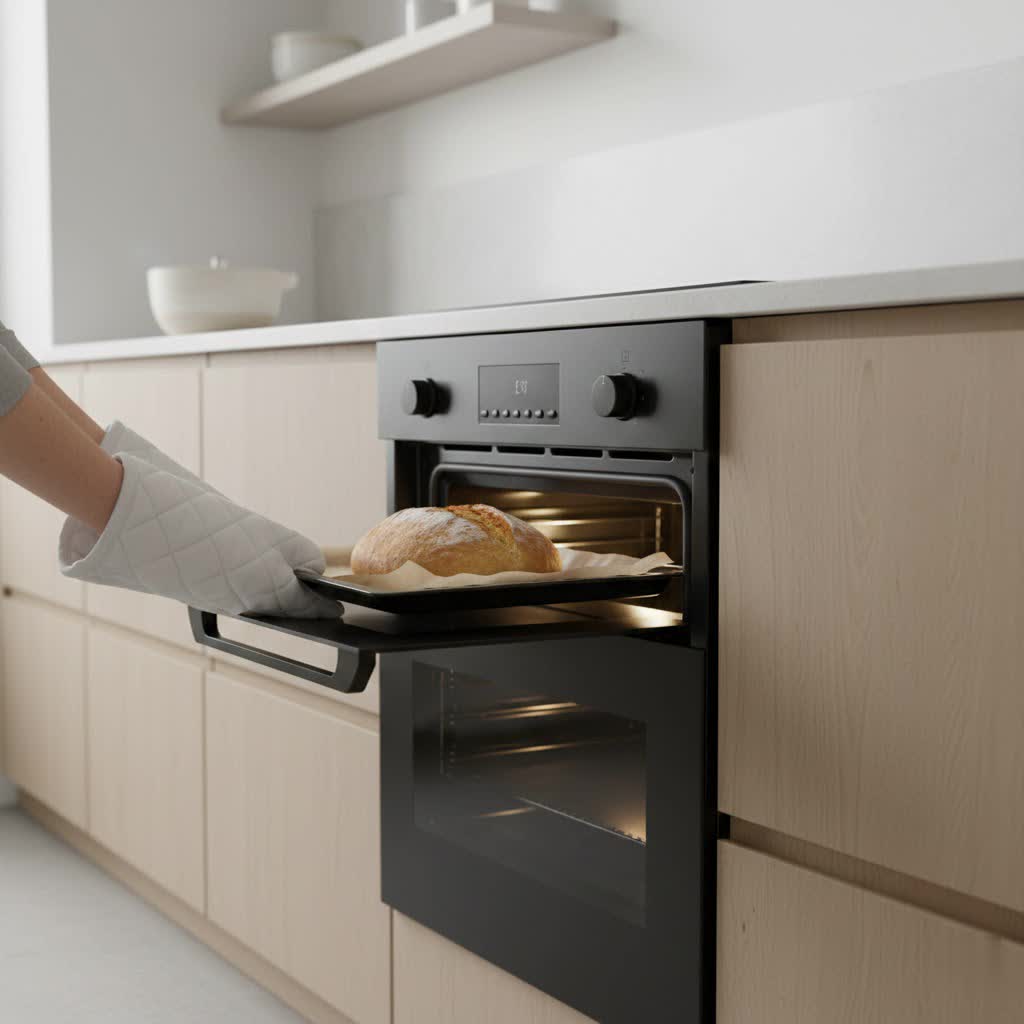
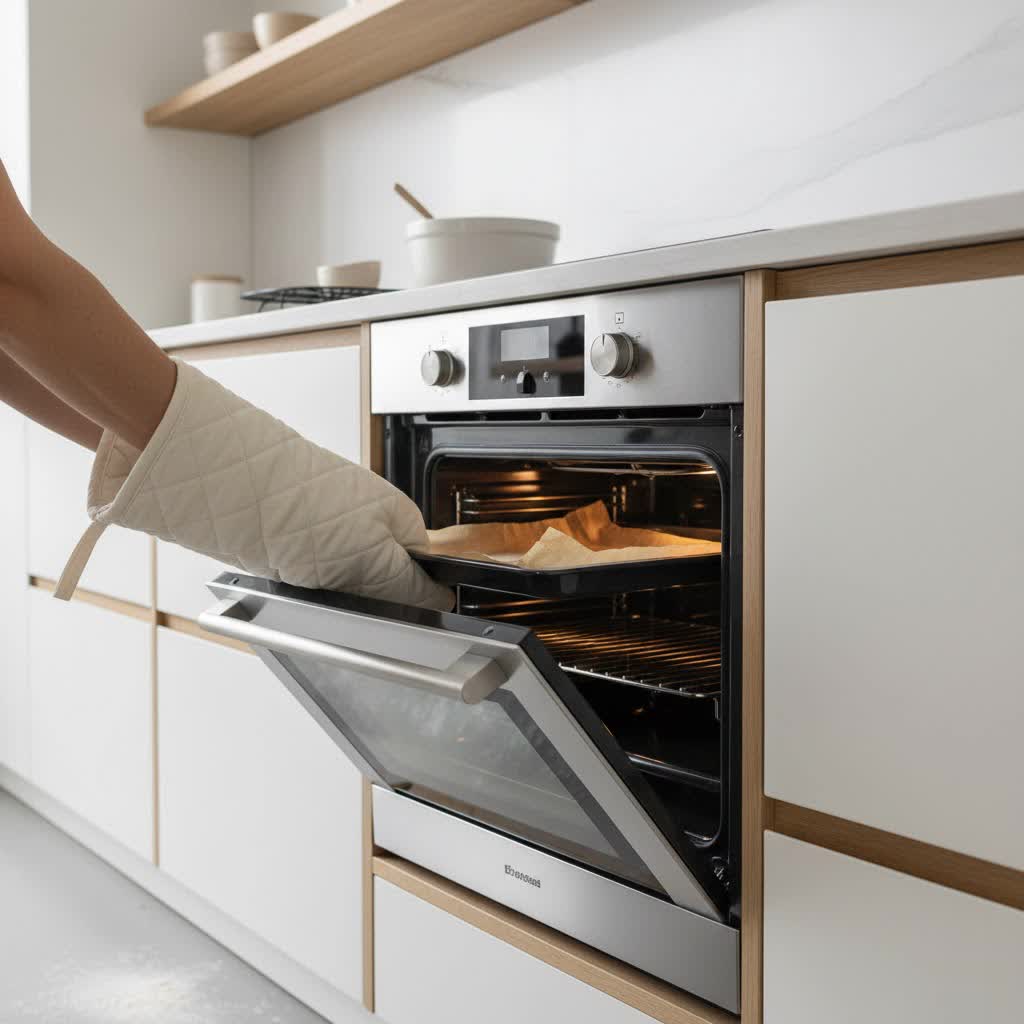
A speed oven, also known as a rapid cook oven, represents a significant leap forward in home cooking technology. Unlike a conventional microwave, a speed oven integrates multiple heating methods, most commonly microwave energy with convection heating. Some advanced models may also incorporate impingement airflow or radiant heat. This multi-pronged approach allows the appliance to cook food not only quickly but also to achieve results comparable to a traditional oven, including browning, crisping, and even baking or roasting.
> “A speed oven, also known as a rapid cook oven, is a versatile appliance that bridges the gap between speed and quality by combining the rapid heating power of microwave technology with the even results of convection cooking.”
The primary benefits of a speed oven lie in its versatility and its ability to deliver quality results in a fraction of the time. You can roast a chicken, bake a casserole, toast a sandwich, or even prepare pastries, all while significantly cutting down on cooking durations. This makes it a formidable appliance for busy households, individuals who enjoy diverse cooking, or those with smaller kitchens looking to consolidate multiple appliances into one high-performance unit. While typically a higher investment, the capabilities of a speed oven often justify the cost for culinary enthusiasts.
Key Differences Between Microwave Ovens and Speed Ovens
Understanding the fundamental operational distinctions is crucial for making an informed decision. These differences impact everything from the final texture of your food to the types of dishes you can prepare.
Cooking Mechanism: The most significant difference lies in how they generate heat. A microwave oven uses electromagnetic waves to heat water molecules, primarily cooking food from the inside. In contrast, a speed oven combines this microwave technology with convection (circulating hot air) and sometimes other radiant heat sources. This blend ensures that food cooks efficiently from both the inside and the outside, mimicking the comprehensive heating of a conventional oven.
Cooking Results (Texture, Browning): This is where speed ovens truly shine. While a microwave excels at heating, it cannot brown, crisp, or caramelize food, often leaving dishes with a somewhat rubbery or steamed texture. A speed oven, thanks to its convection and radiant heat elements, can achieve beautiful golden-brown crusts, crispy textures, and evenly cooked interiors, delivering results that look and taste freshly prepared. This is why a roasted chicken or baked goods come out perfectly in a speed oven, a feat impossible for a standalone microwave.
Speed of Cooking: While both are “fast,” their speed applies to different scenarios. A microwave is generally quicker for reheating small portions, defrosting, or simple tasks like warming a beverage. However, for cooking full meals, baking, or roasting, a speed oven dramatically reduces the cooking time compared to a conventional oven, often by 50% or more, while still producing superior results that a microwave cannot. It eliminates the lengthy preheating often required for traditional ovens.
Versatility and Functionality: A microwave is primarily a reheater and defroster, with limited cooking functions. A speed oven, however, offers a broad spectrum of cooking modes, often including bake, roast, grill, toast, and even specific settings for various food types. It can effectively replace several appliances, acting as a microwave, a small convection oven, and sometimes even a toaster or air fryer, depending on the model.
Energy Consumption: For quick reheating tasks, microwaves are generally more energy-efficient due to their lower wattage and brief operation times. However, for larger or more complex recipes, a speed oven can be more energy-efficient than using a full-sized conventional oven, especially since it often doesn’t require extensive preheating and cooks faster overall. Speed ovens typically require more voltage (208/240V) and higher wattage (5,000+ watts) compared to microwaves (120V, 1,000-3,000 watts).
Cost and Installation: Microwave ovens are generally the more affordable option, making them a budget-friendly choice for basic kitchen needs. Speed ovens, with their advanced technology and multi-functionality, come at a higher price point. Installation can also differ; standard microwaves plug into a typical outlet, while speed ovens, especially built-in models, may require dedicated electrical circuits due to their higher power demands.
Comparison Table: Microwave Oven vs. Speed Oven
To provide a clear overview, here’s a comparison of key features:
| Feature | Microwave Oven | Speed Oven |
|---|---|---|
| Primary Heating | Microwave energy only | Microwave + Convection (and often radiant/impingement heat) |
| Cooking Results | Heats, defrosts, steams; no browning or crisping | Heats, browns, crisps, bakes, roasts; oven-quality results |
| Cooking Speed | Very fast for reheating/defrosting/small portions | Fast for full meals, baking, roasting (often 50%+ faster than conventional oven) |
| Versatility | Limited to basic heating tasks | High: reheats, defrosts, bakes, roasts, grills, toasts |
| Energy Consumption | Efficient for short, basic tasks | More efficient for complex tasks/full meals compared to large oven |
| Typical Voltage | 120V | 208/240V |
| Typical Watts | 1,000-3,000W | 5,000+W |
| Cost | Lower | Higher |
| Best For | Reheating, defrosting, simple cooking | Baking, roasting, full meals, professional results, small kitchens |
Choosing the Right Oven for Your Kitchen
Deciding between a microwave oven and a speed oven boils down to a careful assessment of your specific cooking habits, lifestyle, and budget.
Assess Your Cooking Habits and Needs: If your primary need is quick reheating of leftovers, defrosting frozen foods, or preparing simple instant meals, a standard microwave oven will likely suffice and be the most cost-effective solution. However, if you frequently bake, roast, or cook diverse meals and desire speed without compromising on texture and flavor, a speed oven is a superior investment. Consider how often you use a conventional oven and if you’d benefit from having a more compact, faster alternative.
Consider Your Budget and Space: Microwave ovens are generally much more budget-friendly. Speed ovens, with their advanced technology, carry a higher price tag but offer enhanced functionality. Space is also a factor; while both can be countertop models, built-in speed ovens may require professional installation and specific cabinetry, often making them a fixture in a modern kitchen design. Evaluate not just the initial purchase price but also potential installation costs.
Evaluate Power Requirements and Installation: As highlighted, speed ovens typically demand more power than standard microwaves. Ensure your kitchen has the appropriate electrical setup (e.g., a dedicated 240V circuit for some models) before committing to a speed oven. Consulting an electrician or checking appliance specifications is always recommended for smooth installation.
Long-Term Value and Versatility: While the initial cost of a speed oven is higher, its ability to combine the functions of several appliances (microwave, convection oven, sometimes even a toaster oven) can offer significant long-term value. It can declutter your countertops and streamline your cooking process, making it a valuable centerpiece for a modern, efficient kitchen. If versatility and gourmet results at speed are priorities, the speed oven presents a compelling choice.
Maximizing Your Oven’s Potential: Usage Tips
Once you’ve made your choice, understanding how to best utilize your appliance will ensure you get the most out of it.
For Microwave Ovens: Always use microwave-safe dishes made of glass, ceramic, or specific plastics. Avoid metal containers, foil, or dishes with metallic accents, as these can cause sparking and damage the appliance. Stir or rotate food halfway through cooking for more even heating, especially with denser items. Always cover food with a microwave-safe lid or plastic wrap to retain moisture and prevent splattering.
For Speed Ovens: Embrace the multi-functionality. Experiment with different cooking modes: use microwave for initial heating, then convection for browning and crisping. Many speed ovens come with pre-programmed settings for various dishes; utilize these to achieve optimal results with minimal effort. While preheating is often faster than a conventional oven, it’s still essential for baking and roasting to ensure even cooking and proper browning. Always refer to your appliance’s manual for specific instructions and recommended accessories. Clean your speed oven regularly, as food splatters can affect performance and hygiene.
Conclusion
The distinction between a microwave oven and a speed oven is clear: while both prioritize speed, the microwave offers rapid basic heating, whereas the speed oven provides swift, high-quality cooking that rivals a traditional oven. Your ideal choice hinges on your culinary ambitions, budget, and kitchen space. If your needs are confined to reheating and defrosting, a microwave is your reliable and economical partner. However, if you crave the versatility to bake, roast, and achieve perfectly browned, crispy dishes in a fraction of the time, a speed oven stands as a powerful, all-in-one solution that can elevate your cooking experience and potentially even replace your conventional oven.
What culinary creations are you most excited to prepare with your next kitchen oven?
Frequently Asked Questions
Can a speed oven replace a traditional oven?
For many households and typical cooking needs, a speed oven can effectively replace a traditional oven. It offers baking, roasting, and grilling capabilities with significantly reduced cooking times, making it ideal for everyday meals. However, for very large roasts or extensive multi-tray baking, a full-sized conventional oven might still be more suitable due to capacity.
Do speed ovens use more electricity than microwaves?
Generally, speed ovens have higher wattage and require more voltage (often 208/240V) compared to standard microwaves (120V). While they draw more power, their ability to cook faster and often eliminate the need for preheating a larger oven can make them more energy-efficient for comprehensive cooking tasks. For simple reheating, a microwave is more efficient.
What kind of dishes are best for a speed oven?
Speed ovens excel at a wide range of dishes, including roasted vegetables, baked potatoes, casseroles, pizzas, roasted chicken pieces, baked goods like cookies and brownies, and toasted sandwiches. They are perfect for achieving crispy exteriors and thoroughly cooked interiors quickly, bridging the gap between microwave convenience and conventional oven quality.
Are speed ovens suitable for small kitchens?
Absolutely. Speed ovens are an excellent choice for small kitchens as they combine the functionality of a microwave and a convection oven into a single appliance. This multi-functionality saves valuable counter space and reduces the need for multiple kitchen gadgets, making them a highly efficient solution for compact living areas.
Why are speed ovens more expensive than microwaves?
Speed ovens are more expensive due to their advanced technology, which integrates multiple heating elements (microwave, convection, radiant heat) and sophisticated controls. The combination of these technologies allows for versatile cooking capabilities, faster gourmet results, and often premium build quality, justifying the higher price point compared to basic microwave ovens.