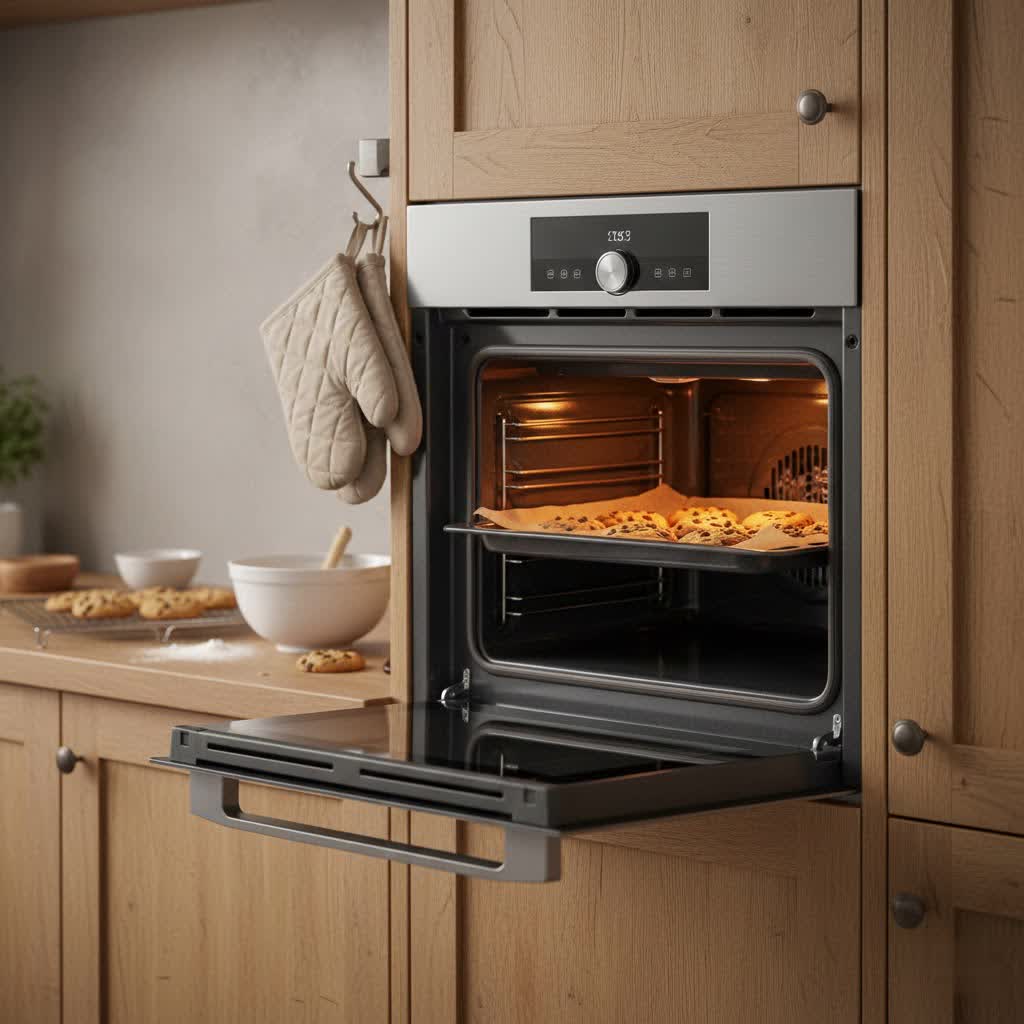
Are you a culinary enthusiast dreaming of perfectly risen bread and homemade dried fruits? Modern ovens are no longer just for baking and roasting; many now feature specialized dehydrate and proofing modes that unlock a world of culinary possibilities. These multi-functional appliances offer the convenience and precision to elevate your home cooking, from artisan bread making to preserving garden-fresh produce.
Types of Ovens Offering Dehydrate and Proofing Modes
The advanced functionalities of dehydrating and proofing are increasingly found across various oven types, catering to diverse kitchen sizes and culinary ambitions. Understanding the common categories can help you identify the best fit for your home.
Countertop Multi-functional Ovens
Table is empty.These compact powerhouses are gaining popularity for their versatility and space-saving design. Countertop ovens often integrate multiple cooking functions, including air frying, toasting, and convection baking, alongside dehydrating and proofing. They are ideal for smaller kitchens, individuals, or those who want a secondary oven for specialized tasks. Many models, such as the Breville Smart Oven Air Fryer Pro and Breville Joule Oven Air Fryer Pro, come equipped with both modes, offering a comprehensive solution in a compact footprint. Their primary advantages include quicker preheat times and energy efficiency for smaller batches. However, their capacity is generally smaller compared to full-size ovens, which might be a limitation for large families or extensive batch cooking.
Built-in Wall Ovens and Ranges
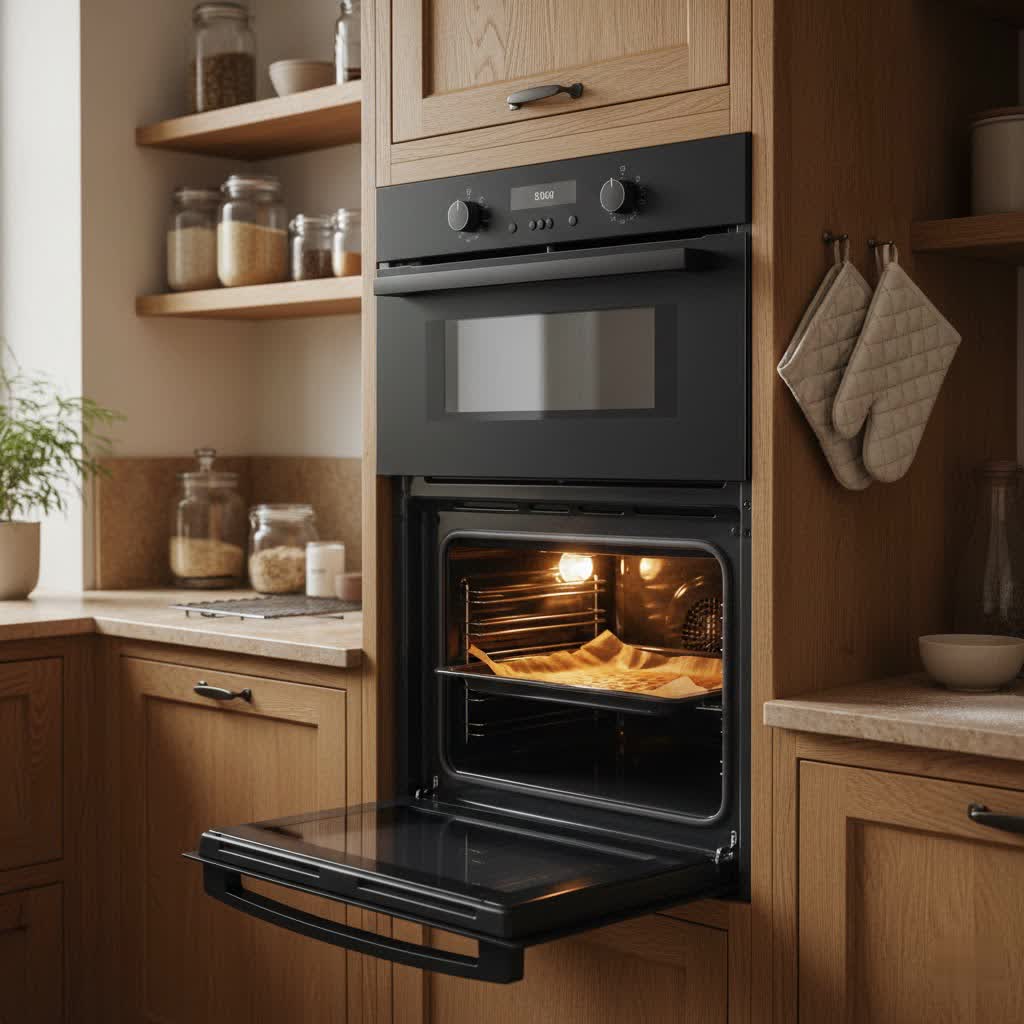
For those with dedicated kitchen space, full-size built-in ovens and ranges provide superior capacity and often more advanced features. High-end models from brands like Wolf and KitchenAid frequently incorporate dehydrate and proofing modes, offering precise temperature and sometimes humidity control. These ovens are designed for seamless integration into kitchen cabinetry, providing a sleek, professional aesthetic. They excel at handling larger baking sheets and multiple racks, making them suitable for elaborate meal preparations, large batches of dehydrated foods, or several loaves of bread. While they represent a more significant investment and require professional installation, their robust performance and larger capacity justify the cost for serious home cooks and bakers.
Dedicated Proofing and Warming Drawers
While less common for dehydrating, specialized proofing drawers or warming drawers with proofing functions are an excellent option for avid bakers. Brands like KitchenAid offer warming drawers with Custom-Control Technology that provide precise temperature zones for warming, slow cooking, and bread proofing. These units create an optimal environment for dough to rise, often including humidity control to prevent drying out. While they typically don’t offer dehydrating capabilities, their dedicated proofing function ensures unparalleled consistency for yeast-based recipes. They are a valuable addition for bakers who prioritize perfect dough rise and want to streamline their bread-making process without occupying the main oven.
Understanding Dehydrate Mode in Ovens
Dehydrating food is an ancient preservation technique that modern ovens have embraced, offering a convenient way to remove moisture from food and extend its shelf life. This low-temperature, long-duration cooking method retains nutrients, concentrates flavors, and creates healthy snacks.
The dehydrate mode in an oven typically operates at very low temperatures, usually ranging from 110°F to 160°F (45°C to 70°C). This gentle heat, combined with consistent airflow, slowly extracts water from fruits, vegetables, herbs, and even meats to make jerky. Compared to dedicated dehydrators, oven dehydration can sometimes be faster, especially if the oven has good convection capabilities. Key benefits include the ability to make preservative-free snacks, reduce food waste by preserving excess produce, and create lightweight, portable food options for travel.
When selecting an oven for its dehydrate function, consider models with precise low-temperature control and a strong convection fan. The fan is crucial for circulating air evenly, ensuring consistent drying across all racks and preventing hot spots that could cook rather than dry your food. Also, check for extended timer settings, as dehydrating can take many hours – sometimes up to 24-36 hours for fruits.
Mastering Proofing Mode for Perfect Bakes
For bakers, the proofing mode is a game-changer, providing the ideal environment for yeast dough to rise consistently and achieve that perfect texture. Proper proofing is critical for the success of breads, pizzas, and other yeast-based pastries.
Proofing mode maintains a stable, warm environment, typically between 75°F and 110°F (24°C to 43°C), which is optimal for activating yeast. Unlike trying to proof in a drafty kitchen or a standard oven where temperatures can fluctuate wildly, a dedicated proofing mode or setting ensures consistent warmth, eliminating guesswork and drastically improving results. Many advanced ovens also offer humidity control, a feature that is paramount for preventing dough from drying out and forming a crust, which can inhibit its rise. If your oven doesn’t have active humidity control, placing a shallow pan of boiling water in the oven can help create the necessary moist environment.
The benefits of using an oven’s proofing mode are manifold: it ensures a consistent and even rise, simplifies the bread-making process, and allows for greater control over the final texture and flavor of your baked goods. This precision is especially valuable for challenging recipes like sourdough or brioche, where maintaining specific conditions is key.
Comparison Table: Ovens with Dehydrate and Proofing Modes
Choosing the right oven involves weighing features against your specific needs. This table offers a general comparison across categories commonly offering dehydrate and proofing modes.
| Feature | Countertop Multi-functional Oven | Built-in Wall Oven/Range | Dedicated Proofing Drawer |
|---|---|---|---|
| Capacity | Small to Medium (e.g., 13″ pizza) | Large (e.g., multiple racks, sheet pans) | Medium (optimized for dough) |
| Dehydrate Temp Range | Good (110-160°F), often with convection | Excellent (110-160°F), superior airflow | Not typically available |
| Proofing Temp Range | Good (75-110°F), stable | Excellent (75-110°F), highly stable | Excellent (70-90°F), highly stable |
| Humidity Control | Manual (water pan) or limited | Some advanced models offer it | Often integrated (humidity slide) |
| Footprint | Countertop space required | Integrated, requires cabinet space | Integrated, requires cabinet space |
| Typical Cost | Mid-range ($200 – $600) | High-end ($1500 – $5000+) | Mid-high range ($500 – $1500) |
| Suitability | Casual user, small batches, diverse functions | Serious home cooks, large families, professional results | Avid bakers, specialized bread making |
| Installation | Plug-and-play | Professional installation needed | Professional installation needed |
Guide to Choosing the Right Oven for Your Needs
Selecting an oven with dehydrate and proofing modes requires careful consideration of your cooking habits, available space, and budget.
Assess Your Culinary Needs and Frequency of Use
Consider how often you envision using each mode. Are you an avid baker who makes bread weekly, or do you occasionally bake? Do you frequently preserve fruits and vegetables, or are you looking to experiment with making jerky? If both functions are essential and used regularly, a multi-functional built-in oven or a high-end countertop model might be suitable. If bread making is your passion, a dedicated proofing drawer could be a worthwhile investment, potentially alongside a basic countertop oven for occasional dehydrating.
Capacity and Size
The amount of food you plan to dehydrate or dough you need to proof will dictate the ideal capacity. Countertop ovens are perfect for smaller batches, fitting a few trays of fruit or a single loaf of bread. For larger families, bulk preservation, or multiple baking projects, a full-size wall oven or range with generous internal cubic footage will be more appropriate. Remember to measure your available kitchen space carefully, especially for countertop models, to ensure a comfortable fit.
Temperature and Humidity Control Precision
For both dehydrating and proofing, precise and stable temperature control is paramount. Look for ovens that offer a wide range of low temperatures and maintain them consistently. For proofing, optimal conditions are between 70-110°F (21-43°C), while dehydrating requires settings typically from 110-160°F (45-70°C). Humidity control is a significant advantage for proofing, preventing dough from drying out. Some premium ovens and dedicated proofing drawers offer integrated humidity settings, while others may require manual methods like a water pan.
Airflow and Convection Technology
A convection fan is highly beneficial for both modes. For dehydrating, it ensures even heat distribution, preventing moisture pockets and promoting uniform drying. For baking and proofing, convection helps maintain a consistent temperature throughout the oven cavity, leading to a more even rise and bake. Many modern ovens come with “true convection” or “European convection” which includes a third heating element around the fan, offering even better performance.
Additional Features and Smart Technology
Modern ovens often come with smart features that enhance convenience. Look for:
- Programmable Presets: Specific settings for different types of dough or dehydrating profiles can simplify operation.
- Smart Connectivity: Wi-Fi enabled ovens allow you to control and monitor cooking progress from your smartphone, which is particularly useful for long dehydrating cycles or proofing while you’re busy elsewhere.
- Interior Lighting: A well-lit interior lets you check on your dough or drying food without opening the door, preventing heat and moisture loss.
- Easy-to-Clean Interior: Removable racks and non-stick coatings can make cleanup much easier after sticky dough or fruit leathers.
Budget and Brand Reputation
Ovens with advanced features can vary significantly in price. Establish a budget and research brands known for reliability and customer support. Reading reviews specific to the dehydrate and proofing functions of different models can provide valuable insights into real-world performance.
Essential Tips for Using Dehydrate and Proofing Modes
Maximizing the potential of your oven’s specialized modes requires a few best practices.
Read Your Oven’s Manual
Every oven is unique. Your owner’s manual contains specific instructions, temperature recommendations, and capacity guidelines for both dehydrate and proofing modes. Understanding these specifics will ensure optimal results and help you troubleshoot any issues.
Prepare Food Properly for Dehydrating
For successful dehydration, food preparation is key. Slice fruits and vegetables uniformly thin to ensure even drying. Blanching some vegetables (like carrots or broccoli) before dehydrating can help retain color and flavor. Avoid overcrowding the racks to allow for proper airflow.
Maintain Humidity for Proofing
Humidity is crucial for yeast activation and preventing dough from drying out. If your oven doesn’t have an automatic humidity control, place a shallow oven-safe dish with 1-3 cups of boiling hot water on the bottom rack during proofing. This creates a steamy environment that aids in a consistent rise.
Monitor Progress Carefully
While these modes automate much of the process, occasional monitoring is still beneficial. For dehydrating, check food periodically to assess dryness. For proofing, observe your dough’s rise; it’s ready when it has doubled in bulk and an indentation remains when gently poked with two fingers. Avoid opening the oven door too frequently, as this can cause temperature and humidity fluctuations.
Regular Cleaning and Maintenance
Keep your oven clean, especially after using dehydrate mode, as dried food bits can accumulate. For proofing, ensure the interior is free of food residue that could affect dough quality or oven performance. Regular cleaning helps maintain efficiency and hygiene.
“Integrating dehydrate and proofing modes into a single appliance reflects a growing demand for culinary versatility in the home kitchen. It’s about empowering home cooks to explore new techniques with confidence.” – Chef Elena Rodriguez, Culinary Technology Expert
Conclusion
Ovens equipped with both dehydrate and proofing modes represent a significant leap in home kitchen appliance functionality, offering unparalleled versatility for food enthusiasts. These multi-functional machines simplify the art of bread-making, ensuring perfectly risen dough every time, while also enabling the wholesome preservation of food through dehydration. From crafting nutritious snacks to elevating your baking game, investing in an oven with these specialized modes transforms your kitchen into a hub of culinary innovation. By considering factors like capacity, precise temperature and humidity control, and your individual cooking needs, you can select the perfect oven to expand your gastronomic horizons. What delicious creations will you unlock with your new versatile oven?
Frequently Asked Questions
What is the ideal temperature for proofing dough in an oven?
The ideal temperature for proofing dough typically ranges between 70°F and 90°F (21°C to 32°C). Some ovens can go up to 110°F (43°C), but it’s crucial not to exceed this to prevent killing the yeast. Many ovens with a proofing mode are programmed to maintain this specific low-temperature range.
How long does it usually take to dehydrate food in an oven?
Dehydrating food in an oven can take a significant amount of time, varying widely based on the food type, thickness, and moisture content. Fruits like apples or berries can take 6-12 hours, while herbs might dry in 3-5 hours. Denser items or larger pieces, such as thick-sliced fruits, could require 24-36 hours.
Can I use my oven’s “warm” setting for proofing dough?
While a “warm” setting might work, it’s often too hot for optimal yeast activity, potentially killing the yeast if temperatures exceed 110°F (43°C). A dedicated proofing mode or a warming drawer with a proofing setting offers more precise, lower temperatures and better control over the environment.
Do I need a convection oven for effective dehydrating?
A convection fan significantly improves the efficiency and consistency of the dehydrating process by circulating warm air evenly throughout the oven. While you can dehydrate in a conventional oven, a convection oven will provide more uniform results and potentially reduce drying time.
How do I clean my oven after dehydrating sticky fruits?
After dehydrating sticky fruits, allow the oven to cool completely. Most residue can be wiped away with a damp cloth. For stubborn spots, a mixture of baking soda and water or a specialized oven cleaner can be used. Always refer to your oven’s cleaning instructions to avoid damaging the finish.
Are ovens with dehydrate and proofing modes energy-efficient?
When using these specialized modes, especially for long durations like dehydrating, energy consumption can be a consideration. Countertop ovens are generally more energy-efficient for smaller batches. Full-size ovens with good insulation and precise controls can also be efficient, especially when utilized for their intended purposes rather than inefficient manual methods.
Can I proof multiple batches of dough simultaneously?
Yes, many ovens with proofing modes, especially full-size wall ovens, offer sufficient capacity to proof multiple bowls or baking sheets of dough at once. Ensure there’s adequate space between items for proper air circulation and expansion, and monitor each batch for readiness.