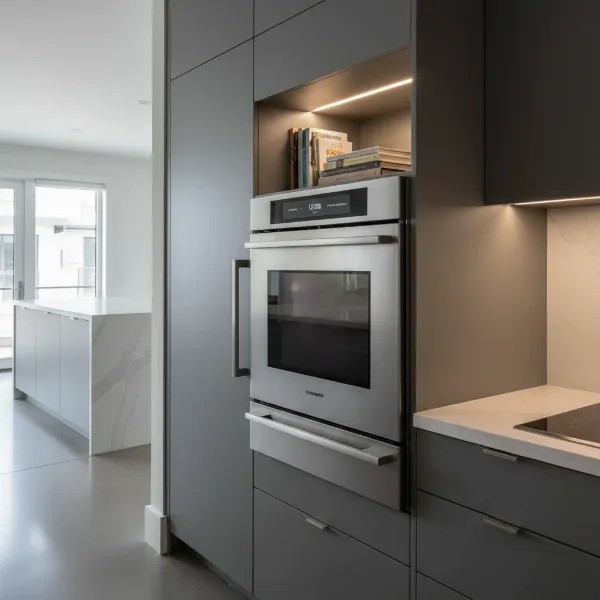
Choosing a new oven is more than just picking an appliance; it’s about finding the heart of your kitchen that perfectly aligns with your cooking style and smart home aspirations. For many, the decision often narrows down to two industry titans: Samsung and LG. Both brands offer innovative ovens packed with features designed to make meal prep easier and more enjoyable. But when it comes to superior baking performance, intuitive smart technology, and overall value, which brand truly bakes better? Let’s dive into a detailed comparison to help you whisk away any doubts.
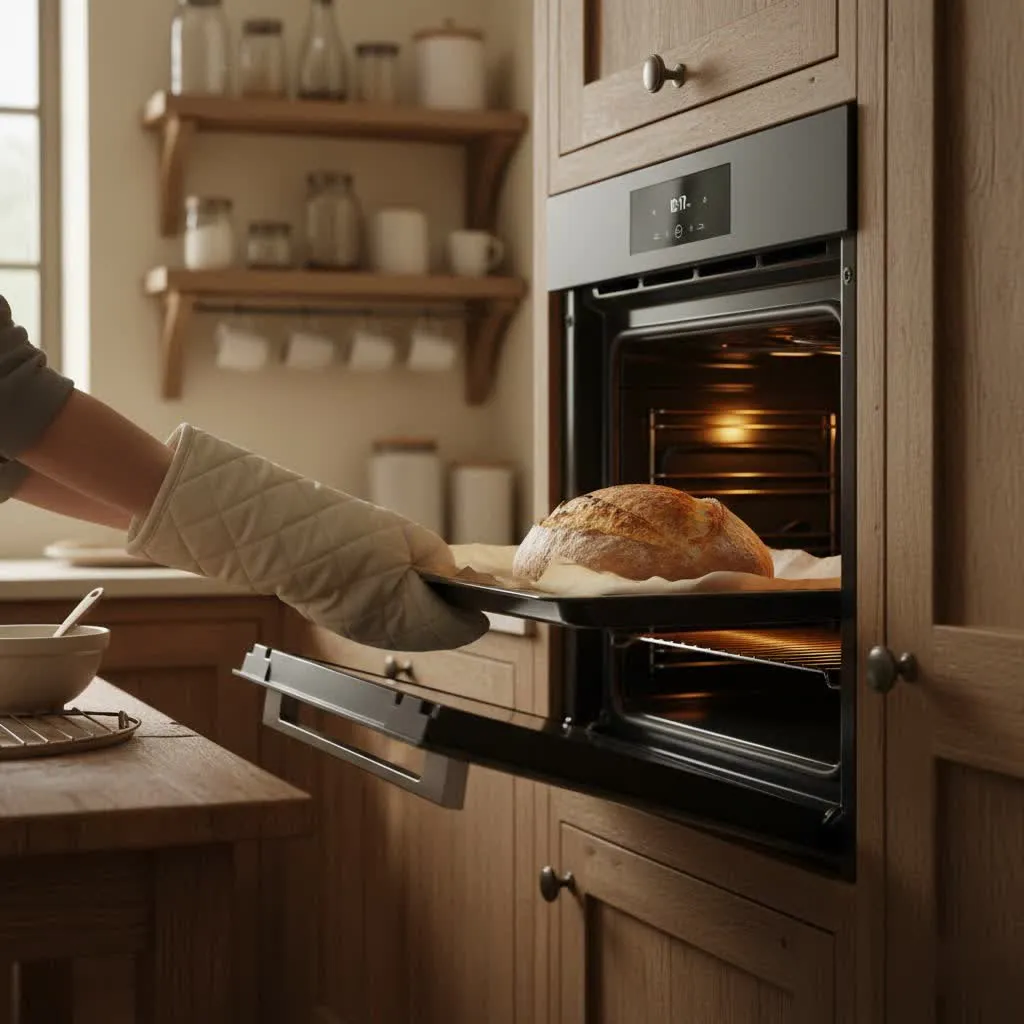
Baking Performance and Consistent Heat Distribution
When you’re aiming for perfectly golden-brown cookies or a uniformly roasted chicken, consistent heat is paramount. Both Samsung and LG ovens deliver strong performance, but they approach heat distribution with distinct technologies.
LG ovens are frequently lauded for their exceptional temperature control and remarkably even heat distribution. This is largely thanks to their ProBake Convection system, which positions the heating element at the back of the oven, rather than the bottom. This design ensures that heat circulates more consistently throughout the cavity, leading to uniform results on every rack. For serious bakers who demand precision, this can be a game-changer, minimizing burnt edges or undercooked centers. LG’s focus on evenness makes their ovens particularly efficient for delicate baking and roasting tasks.
Samsung ovens also offer robust convection performance, often featuring Dual Convection fans that work together to circulate heat rapidly and evenly. While Samsung ovens boast quick preheat times, a feature highly appreciated for busy weeknights, some users find LG’s heat distribution to be marginally more consistent over extended baking periods. Samsung’s convection systems are highly effective for general cooking and roasting, providing reliable results for a wide array of dishes.
Smart Features and Seamless Connectivity
In today’s connected homes, smart features in appliances are becoming increasingly essential. Both Samsung and LG are at the forefront of smart oven technology, allowing you to control and monitor your cooking from anywhere.
Samsung ovens integrate seamlessly with the SmartThings ecosystem. This platform offers extensive control via a smartphone app, enabling you to preheat the oven, adjust temperatures, set timers, and even receive notifications when your food is ready. Samsung also supports Bixby Voice for hands-free operation and often features large, intuitive color touchscreens on its higher-end models, offering a polished, app-driven cooking experience. The emphasis here is on a comprehensive, interconnected smart home environment.
LG counters with its ThinQ AI platform, which also provides Wi-Fi connectivity and voice control through assistants like Google Assistant and Amazon Alexa. LG’s ThinQ app is often praised for its user-friendliness and diagnostic capabilities, sending usage and maintenance notifications to keep your oven running smoothly. While Samsung might offer a slightly more advanced touchscreen interface on some models, LG’s ThinQ system focuses on reliable functionality and helpful maintenance insights, making it a powerful contender for smart convenience.
Innovative Features and Design Aesthetics
Beyond core performance and smarts, unique features and visual appeal often sway a purchasing decision. Both brands offer distinctive innovations and diverse design philosophies.
Samsung Ovens frequently stand out for their versatility and bold design choices. A prime example is the Flex Duo oven, a unique feature that allows you to divide a single oven cavity into two smaller, independently controlled cooking zones. This flexibility is ideal for preparing multiple dishes at different temperatures simultaneously. Samsung also incorporates features like Slim Fry (in some microwave/combi oven models) for healthier air frying and even Tandoor Technology for specific cultural cooking needs. Their design language often leans towards modern, sleek aesthetics with options for various finishes and even bespoke designs to match personalized kitchen styles. Samsung’s induction ranges sometimes include blue LED light indicators to visually confirm when the heat is on, adding both style and safety.
LG Ovens are known for their elegant, minimalist designs that blend seamlessly into contemporary kitchens. Beyond the ProBake Convection, LG ovens often include user-friendly features like EasyClean for quick, hassle-free oven cleaning, which uses water and low heat to loosen grime in just about 10 minutes. Many LG ranges also incorporate a dedicated AirFry feature, offering a healthier way to enjoy crispy foods. Their InstaView technology, found in some models, allows you to tap on the oven door to illuminate the interior without opening it, preserving heat and cooking consistency. LG’s approach often emphasizes practical innovation that enhances the user experience and simplifies maintenance.
Capacity, Configuration, and Price Considerations
Oven capacity, configuration (freestanding, slide-in, wall oven), and price are practical factors that heavily influence choice.
Both Samsung and LG offer a wide range of oven capacities, typically from around 5.0 to 6.3 cubic feet for standard ranges, with larger capacities available in double oven and wall oven configurations. Samsung’s Flex Duo system can effectively create a dual-oven experience within a single-oven footprint, offering impressive versatility.
In terms of pricing, Samsung ovens often present a compelling value proposition, frequently offering advanced cooking features and unique amenities at a generally lower price point than comparable LG models. You might find a feature-rich Samsung oven for between $850 and $2,200. LG ovens, while sometimes commanding a slightly higher price—typically ranging from $900 to $2,000 for standard ranges, and up to $4,099 for high-end wall ovens—are perceived by many as an investment in superior baking performance and durability. However, both brands have entry-level models starting around $600.
Cleaning and Maintenance
Keeping your oven spotless is a chore no one enjoys, but both Samsung and LG offer features to simplify the process.
LG ovens often come equipped with EasyClean, a quick and chemical-free steam cleaning cycle that helps loosen light spills and grime in a short amount of time, typically 10-20 minutes. For heavier messes, LG also includes traditional pyrolytic self-cleaning cycles on most models. The ThinQ app can also provide maintenance notifications, helping you stay on top of regular upkeep.
Samsung ovens feature both standard pyrolytic self-clean and Steam Clean options. The Steam Clean feature offers a faster, lighter cleaning similar to LG’s EasyClean, ideal for minor splatters. Samsung’s self-cleaning cycles are generally efficient, ensuring easy maintenance.
“For consistent baking, LG’s rear-heat convection offers a slight edge, ensuring uniform results. But if smart features and a truly versatile oven cavity are your priority, Samsung’s Flex Duo and SmartThings integration often steal the show.” – Appliance Review Expert, Home Tech Magazine
Comparison at a Glance
| Feature / Brand | LG Oven | Samsung Oven |
|---|---|---|
| Baking Performance | Often praised for consistent temperature and even heat distribution (ProBake Convection) | Good performance, quick preheat, dual convection, slightly less even than LG |
| Smart Features | ThinQ AI, Wi-Fi, Google/Alexa voice control, user-friendly app, diagnostics | SmartThings integration, Wi-Fi, Bixby Voice, polished touchscreens, app-driven cooking |
| Unique Features | ProBake Convection, EasyClean, InstaView, dedicated AirFry | Flex Duo, Slim Fry, Tandoor Technology (select models), Steam Clean |
| Design | Sleek, minimalist, modern aesthetics | Bold, versatile, various finishes, bespoke options |
| Price Range | Mid to High ($900 – $4,099) | Mid to High ($850 – $3,000+) |
| Cleaning | EasyClean (steam) + pyrolytic | Steam Clean + pyrolytic, rapid self-clean |
| Capacity | 5.0 – 6.3 cu. ft. (ranges), larger for wall ovens | 5.8 – 5.9 cu. ft. (ranges), larger for wall ovens |
Choosing the Right Oven: Samsung or LG?
The ultimate choice between a Samsung and an LG oven depends on your personal cooking habits, aesthetic preferences, and how deeply you integrate smart technology into your kitchen.
Choose LG if:
- You are a passionate baker or often roast delicate dishes where consistent, even heat distribution is your top priority.
- You appreciate sleek, minimalist design and practical features like EasyClean for simple maintenance.
- You value a user-friendly smart platform like ThinQ AI that also offers helpful diagnostic notifications.
Choose Samsung if:
- You seek versatility in your oven, such as the ability to cook two different dishes at varying temperatures simultaneously with features like Flex Duo.
- You prioritize cutting-edge smart home integration with a polished app experience and seamless connectivity to a broader SmartThings ecosystem.
- You’re looking for unique cooking modes like Slim Fry or Tandoor Technology, and a broader range of bold design options to personalize your kitchen.
Both Samsung and LG deliver high-quality, innovative ovens that can transform your cooking experience. Consider what matters most to your culinary adventures and kitchen lifestyle. What delicious dishes are you dreaming of baking, and which oven brand will help you bring them to life?
Frequently Asked Questions
Which brand offers better baking performance, LG or Samsung?
|
Our Picks for the Best Oven in 2026
As an Amazon Associate I earn from qualifying purchases.
|
||
| Num | Product | Action |
|---|---|---|
| 1 | BLACK+DECKER TO3250XSBD 8-Slice Extra Wide Convection Countertop Toaster Oven, Includes Bake Pan, Broil Rack & Toasting Rack, Stainless Steel/Black |

|
| 2 | BLACK+DECKER Crisp 'N Bake Air Fryer Toaster Oven Combo, 12 in 1 Countertop Convection Oven Cooks Food Fast, Fits a Whole Pizza or 6 Toast Slices, French Doors with Stainless Steel Finish |
|
| 3 | Breville BOV900BSS Smart Oven Air Fryer Pro and Convection Oven, Brushed Stainless Steel |
|
| 4 | Elite Gourmet ETO-4510M French Door 47.5Qt, 18-Slice Convection Oven 4-Control Knobs, Bake Broil Toast Rotisserie Keep Warm, Includes 2 x 12" Pizza Racks, Stainless Steel |
|
| 5 | Ninja Air Fryer & Toaster Oven Combo | 10-in-1 Prestige Smart XL Countertop Oven | Bake up to 20 Cookies, Fit up to a 12lb Turkey | Pizza, Toast, Bake, Dehydrate | 1800 Watt | Stainless Steel | DT501 |
|
| 6 | Ninja Air Fryer Toaster Oven Combo | 8-in-1 Functionality | Flip Up & Away for Storage Space | Air Fry Basket, Sheet Pan, Wire Rack & Removable Crumb Tray |1800 Watt | Stainless Steel | SP151 |
|
| 7 | BLACK+DECKER Crisp 'N Bake Air Fry Countertop Convection Toaster Oven, Medium Capacity, 4-Slice, 5-in-1, Fits 9” Pizza, 30-Min Timer, Bake, Broil, Air Fry, Toast, Keep Warm, Stainless Steel |
|
| 8 | Emeril Lagasse Extra Large French Door Air Fryer Toaster Oven Combo, 24 Cooking Functions and Digital Controls, 7 Accessories Included, Stainless Steel Finish, 26QT Capacity |
|
| 9 | Gourmia French Door Air Fryer Oven - 37 Qt Large Capacity Convection Toaster Oven, FryForce 360°, Digital Display, 12 Cooking Presets, Dehydrate, Fits 13” Pizza, Dishwasher-Safe, Stainless Steel |
|
| 10 | Cuisinart Air Fryer Toaster Oven, 1800W, 8-in-1 with Air Fry, Convection, Broil & Warm, 0.6 Cubic Feet, 60-Minute Timer, TOA-70NAS, Stainless Steel |
|
LG ovens are often lauded for their superior consistency and even heat distribution, largely due to their ProBake Convection technology, which places the heating element at the back. This makes them ideal for precise baking and roasting, minimizing hot spots.
Are LG ovens generally more expensive than Samsung ovens?
While both brands offer a range of price points, LG ovens tend to be slightly more expensive, particularly for their advanced models with high-end features. Samsung often provides robust features at a more competitive price.
Which brand has better smart home integration, Samsung or LG?
Samsung generally excels in smart home connectivity with its comprehensive SmartThings ecosystem, offering a highly polished app experience and Bixby Voice integration. LG’s ThinQ AI is also very capable and user-friendly, providing excellent control and diagnostics.
Do Samsung or LG ovens offer unique features for versatile cooking?
Yes, Samsung offers the innovative Flex Duo, which splits a single oven into two independent cavities. LG’s ProBake Convection ensures even baking, and both brands frequently include dedicated AirFry modes for healthier frying.
How do LG’s EasyClean and Samsung’s Steam Clean compare?
LG’s EasyClean and Samsung’s Steam Clean are both quick, low-heat cleaning cycles designed to loosen light messes with water, making wiping easier. For heavier grime, both brands also offer traditional high-heat pyrolytic self-cleaning functions.