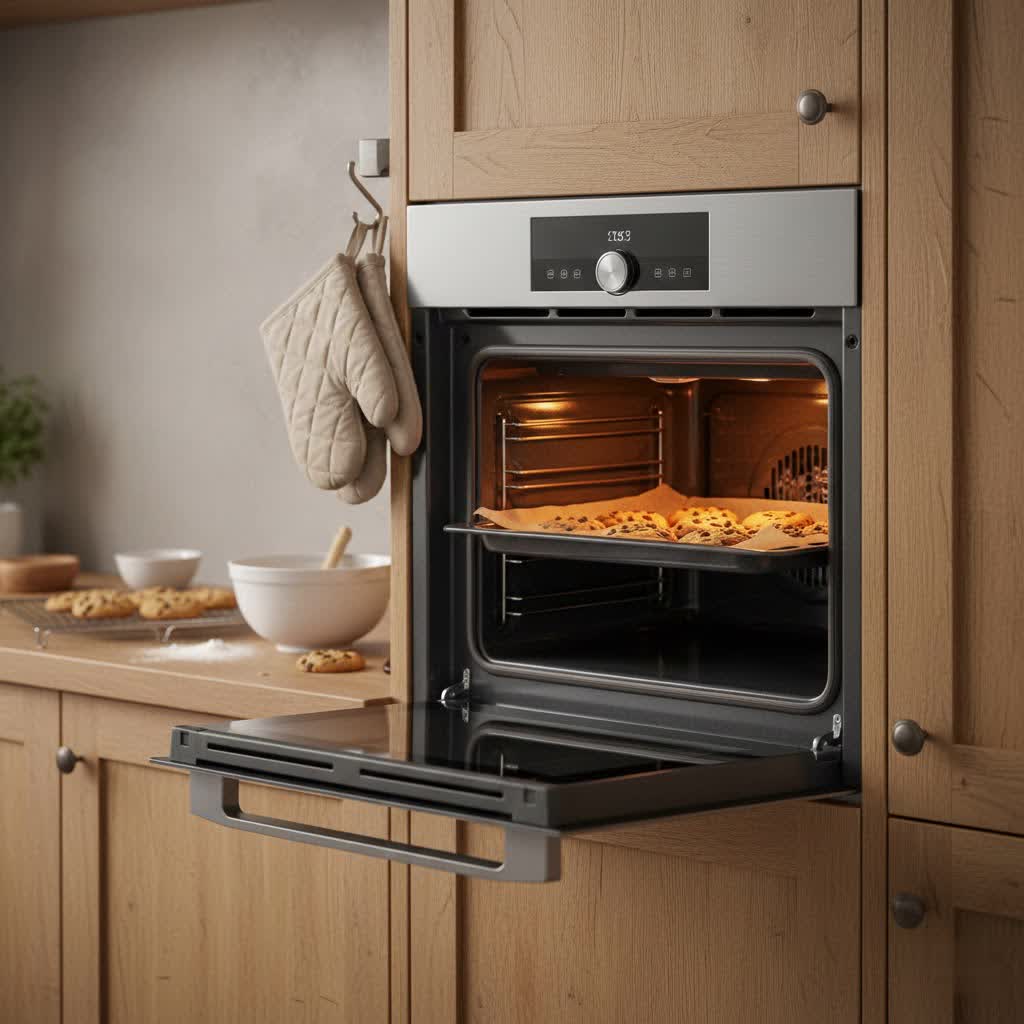
Stepping into the world of convection cooking can feel like discovering a culinary superpower. With its promise of faster cooking times, more even results, and perfectly browned dishes, a convection oven is a fantastic upgrade for any kitchen. However, many of our beloved recipes are written for conventional ovens, leading to a common question: “How do I convert these recipes for my convection oven?” The good news is, adapting your favorite dishes is simpler than you might think, and mastering this skill will unlock your oven’s full potential.
Understanding Your Oven: Convection vs. Conventional
Before diving into conversions, it’s helpful to understand the core difference between oven types. A conventional oven heats food using radiant heat from elements, typically at the top and bottom of the oven cavity. This can create “hot spots” and lead to uneven cooking, often requiring you to rotate your dishes.
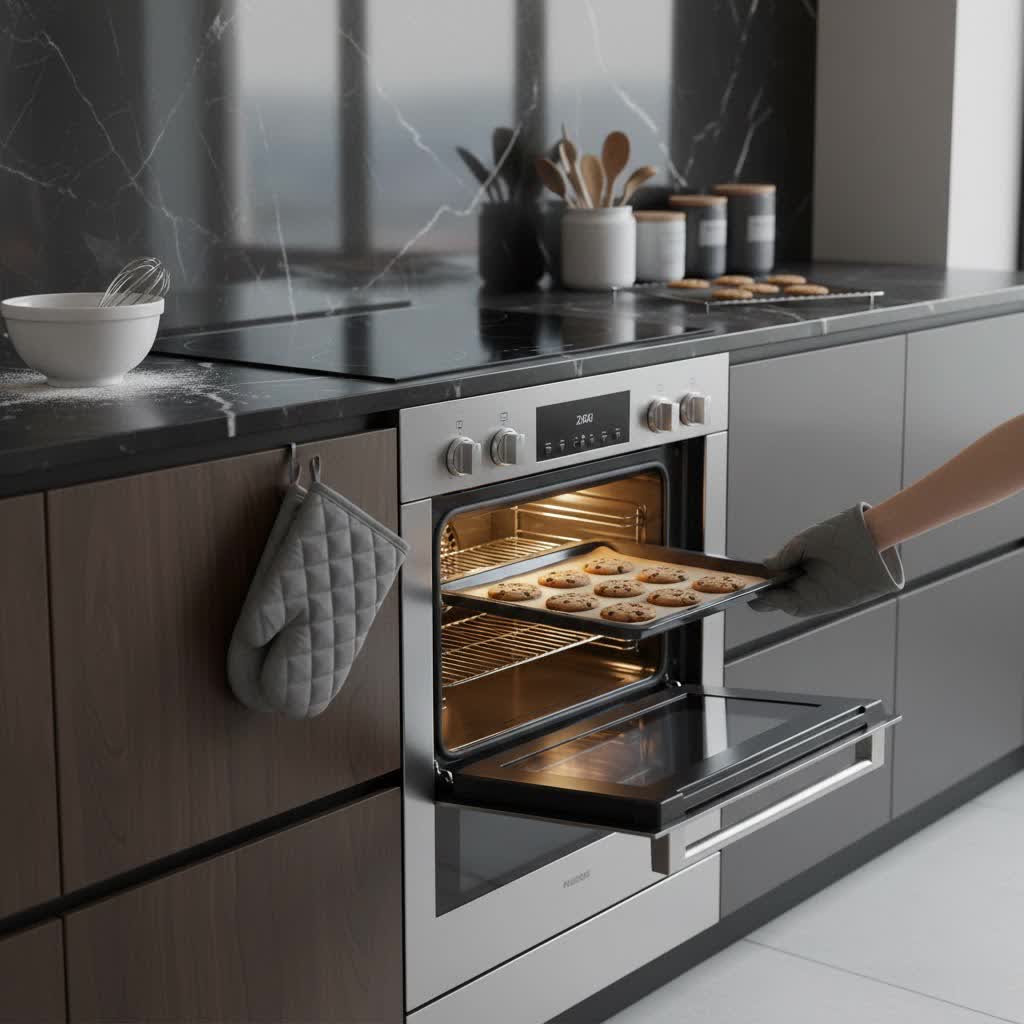
A convection oven, on the other hand, includes a fan that circulates hot air throughout the oven. This forced air movement creates a more consistent temperature, eliminating hot spots and accelerating the cooking process. The constant airflow also helps to crisp exteriors and promote even browning, delivering superior results for many types of food.
The Golden Rules for Convection Conversion
Converting a recipe from conventional to convection cooking primarily involves adjusting two factors: temperature and time. While every oven can be slightly different, a general rule of thumb applies to most conversions.
Reduce Cooking Temperature by 25°F (15°C)
|
Our Picks for the Best Oven in 2026
As an Amazon Associate I earn from qualifying purchases.
|
||
| Num | Product | Action |
|---|---|---|
| 1 | Breville BOV900BSS Smart Oven Air Fryer Pro and Convection Oven, Brushed Stainless Steel |

|
| 2 | Elite Gourmet ETO-4510M French Door 47.5Qt, 18-Slice Convection Oven 4-Control Knobs, Bake Broil Toast Rotisserie Keep Warm, Includes 2 x 12" Pizza Racks, Stainless Steel |
|
| 3 | Gourmia French Door Air Fryer Oven - 37 Qt Large Capacity Convection Toaster Oven, FryForce 360°, Digital Display, 12 Cooking Presets, Dehydrate, Fits 13” Pizza, Dishwasher-Safe, Stainless Steel |
|
| 4 | Cuisinart Air Fryer Toaster Oven, 1800W, 8-in-1 with Air Fry, Convection, Broil & Warm, 0.6 Cubic Feet, 60-Minute Timer, TOA-70NAS, Stainless Steel |
|
| 5 | Ninja Air Fryer & Toaster Oven Combo | 10-in-1 Prestige Smart XL Countertop Oven | Bake up to 20 Cookies, Fit up to a 12lb Turkey | Pizza, Toast, Bake, Dehydrate | 1800 Watt | Stainless Steel | DT501 |
|
| 6 | Emeril Lagasse Extra Large French Door Air Fryer Toaster Oven Combo, 24 Cooking Functions and Digital Controls, 7 Accessories Included, Stainless Steel Finish, 26QT Capacity |
|
| 7 | BLACK+DECKER TO3250XSBD 8-Slice Extra Wide Convection Countertop Toaster Oven, Includes Bake Pan, Broil Rack & Toasting Rack, Stainless Steel/Black |
|
| 8 | Ninja Air Fryer Toaster Oven Combo | 8-in-1 Functionality | Flip Up & Away for Storage Space | Air Fry Basket, Sheet Pan, Wire Rack & Removable Crumb Tray |1800 Watt | Stainless Steel | SP151 |
|
| 9 | BLACK+DECKER Crisp 'N Bake Air Fry Countertop Convection Toaster Oven, Medium Capacity, 4-Slice, 5-in-1, Fits 9” Pizza, 30-Min Timer, Bake, Broil, Air Fry, Toast, Keep Warm, Stainless Steel |
|
| 10 | BLACK+DECKER Crisp 'N Bake Air Fryer Toaster Oven Combo, 12 in 1 Countertop Convection Oven Cooks Food Fast, Fits a Whole Pizza or 6 Toast Slices, French Doors with Stainless Steel Finish |
|
Because the circulating hot air in a convection oven cooks food more efficiently, you typically need a lower temperature to achieve the same results as a conventional oven. For most recipes, lower the recommended oven temperature by 25 degrees Fahrenheit (or about 15 degrees Celsius). For example, if a conventional recipe calls for 350°F, set your convection oven to 325°F. This adjustment prevents over-browning and ensures the interior cooks thoroughly without drying out.
Adjust Cooking Time by 20-25%
The increased efficiency of a convection oven means food cooks faster. As a general guideline, reduce the total cooking time by approximately 20% to 25%. If a recipe suggests baking for 60 minutes in a conventional oven, you would aim for about 45-48 minutes in a convection oven. For shorter cooking times, like cookies, the adjustment might be less dramatic.
The “Check Early” Principle
No matter the conversion, always check your food for doneness earlier than the adjusted time. It’s much easier to add a few more minutes to cooking than to salvage an overcooked dish. Start checking at about 75-80% of the calculated convection cooking time to ensure perfect results.
Converting Recipes: A Food-Specific Guide
While the 25°F/20-25% rule is a great starting point, certain foods benefit from slightly different approaches.
Roasting Meats & Vegetables
Convection ovens excel at roasting. The circulating air helps create a beautiful, crispy exterior on meats and evenly caramelizes vegetables, resulting in delicious, tender interiors. For roasting, you can often keep the original temperature and only reduce the cooking time by 20-25%. This allows for maximum browning while ensuring the food cooks through efficiently. However, if you notice excessive browning, reduce the temperature by 25°F as well.
Baking (Cookies, Pastries, Breads)
For items like cookies, pies, and artisan breads, convection can produce wonderfully crisp edges and golden-brown crusts. Always reduce the temperature by 25°F. For short-bake items like cookies (10-15 minutes), check them even earlier, around 7-8 minutes. For longer bakes like bread, reduce the time by 20-25% but keep a close eye on the crust development.
Delicate Baked Goods (Cakes, Quick Breads, Custards, Soufflés)
This is where you might need to exercise some caution. For delicate items that rely on a gentle, even rise, like cakes, quick breads, custards, or soufflés, the forced air of a convection oven can sometimes cause uneven baking, cracked tops, or an undesirable crust on custards.
“For delicate batters, the fan can sometimes be too aggressive, affecting the rise or texture. In these cases, it’s often best to stick to the conventional temperature and cook time, or use a convection setting that allows you to turn the fan off, if your oven has that feature.” – Culinary Expert, Oven Reviewpls.com
If your convection oven has a “convection bake” setting (which uses the fan at a lower speed or intermittently) or a “conventional bake” option, consider using those for these sensitive items. If not, only reduce the temperature by 25°F and carefully monitor the doneness, as reducing time might lead to an undercooked interior.
Casseroles & Other Dishes
For most casseroles, gratins, and other savory baked dishes, the general rule of reducing temperature by 25°F and time by 20-25% works well. The circulating air can help create a nice browned top and ensure even heating throughout. Be mindful of dishes with cheese toppings, as they might brown faster than expected.
Convection Conversion Quick Chart
This chart provides a general guideline for converting conventional oven temperatures and times. Always use it as a starting point and adjust based on your specific oven and food.
| Conventional Oven Temp (°F) | Convection Oven Temp (°F) (Reduce 25°F) | Conventional Oven Time | Convection Oven Time (Reduce 20-25%) | Notes for Specific Foods |
|---|---|---|---|---|
| 300 | 275 | 30 mins | 22-24 mins | Roasts, Casseroles: Excellent results. |
| 325 | 300 | 45 mins | 34-36 mins | Baking: Reduce temp, monitor browning. |
| 350 | 325 | 60 mins | 45-48 mins | Delicate Bakes (Cakes, Custards): Only reduce temp, or avoid convection if possible. |
| 375 | 350 | 90 mins | 68-72 mins | Cookies, Pastries: Crispier, check early. |
| 400 | 375 | 120 mins | 90-96 mins | Roasting Vegetables: Fantastic browning. |
Essential Convection Cooking Tips
Beyond temperature and time adjustments, a few practices will help you get the most out of your convection oven:
- Don’t Crowd the Oven: Convection relies on air circulation. Ensure there’s space around your dishes for the hot air to flow freely. If you’re baking on multiple racks, don’t fill them wall-to-wall.
- Use Appropriate Bakeware: Opt for low-sided baking sheets and roasting pans, or even rimless sheets, especially for cookies and roasted vegetables. This allows for better airflow around the food, enhancing crisping.
- Preheating is Key: Convection ovens often preheat faster, but it’s still crucial to let them reach the set temperature for consistent results.
- Strategic Rack Placement: Most convection ovens have the fan at the back. Place your dishes in the center of the rack for optimal airflow, and avoid placing them too close to the heating elements. Your oven manual might offer specific guidelines.
- Avoid Covering (Unless Necessary): Since convection promotes browning and prevents sogginess, you often don’t need to cover dishes that you would in a conventional oven. If a recipe absolutely requires covering to prevent drying out, follow those instructions, but be aware it might counteract some convection benefits.
- Monitor Food Closely: Even with conversions, your oven has its quirks. Develop a feel for how quickly certain items cook in your specific convection oven by checking frequently, especially when you’re first adapting a recipe.
Common Mistakes to Avoid
- Not Adjusting Settings: The most common error is simply placing a conventional recipe in a convection oven without any adjustments. This almost guarantees overcooked or burnt food.
- Overcrowding: While convection allows for multi-rack cooking, cramming too many dishes in will obstruct airflow, negating the very benefit of the fan.
- Ignoring Oven-Specific Features: Many modern convection ovens come with “auto convection conversion” features that automatically adjust temperature and time for you. Always consult your oven’s manual to see if this feature is available and how to use it.
- Assuming All Foods Are Equal: As discussed with delicate baked goods, not all foods react the same to forced air. Understanding these nuances will prevent culinary disappointments.
Conclusion
Converting conventional recipes to convection is a valuable skill that empowers you to cook more efficiently, achieve better results, and truly master your kitchen appliance. By consistently applying the 25°F temperature reduction and the 20-25% time adjustment, coupled with smart monitoring and an understanding of food-specific needs, you’ll soon be confidently adapting any recipe. Embrace the efficiency and superior outcomes your convection oven offers, and enjoy perfectly cooked meals every time. What will you convert first?
Frequently Asked Questions
What is the 25-25 rule for convection?
The “25-25 rule” is a common guideline for converting conventional recipes to convection. It suggests reducing the oven temperature by 25°F and shortening the cooking time by 25%. However, depending on the food, you might only need to adjust one or the other, or check for doneness earlier.
Can I use convection for all recipes?
While convection ovens are highly versatile, they are not ideal for every recipe. Delicate items like soufflés, custards, and some cakes can be negatively affected by the forced air, potentially leading to uneven rising or dry textures. For these, a conventional setting or a “convection bake” (gentler fan) is often preferred.
Should I preheat a convection oven?
Yes, it is generally recommended to preheat your convection oven. Although convection ovens often preheat faster due to the circulating air, allowing the oven to reach the target temperature ensures consistent cooking from the moment your food enters the cavity.
How does convection affect baking time?
Convection ovens significantly reduce baking time compared to conventional ovens, typically by 20-25%. This is because the circulating hot air transfers heat more efficiently to the food, cooking it faster and more evenly. Always start checking for doneness well before the conventional recipe’s suggested time.