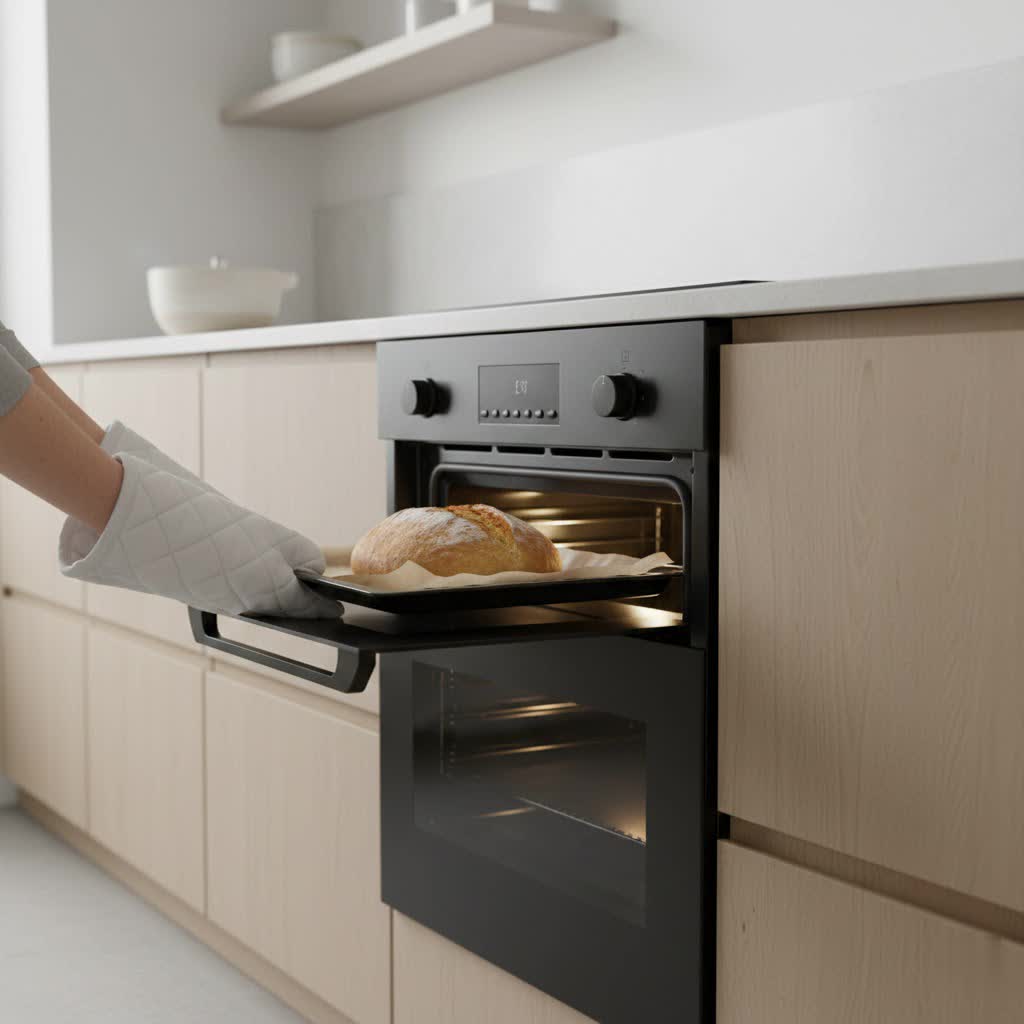
The broiler function in your oven is a culinary superpower, capable of delivering intensely seared meats, crispy vegetable tops, and perfectly melted cheese in mere minutes. Yet, for many home cooks, it remains an intimidating mystery—a high-heat, blink-and-you-miss-it operation often leading to char instead of caramelization. But what if you could harness this mighty tool with confidence, transforming everyday ingredients into extraordinary dishes without the fear of burning? This comprehensive guide will demystify the art of broiling, equipping you with the knowledge and techniques to achieve restaurant-quality results every single time. Get ready to unlock the full potential of your oven and elevate your cooking game.
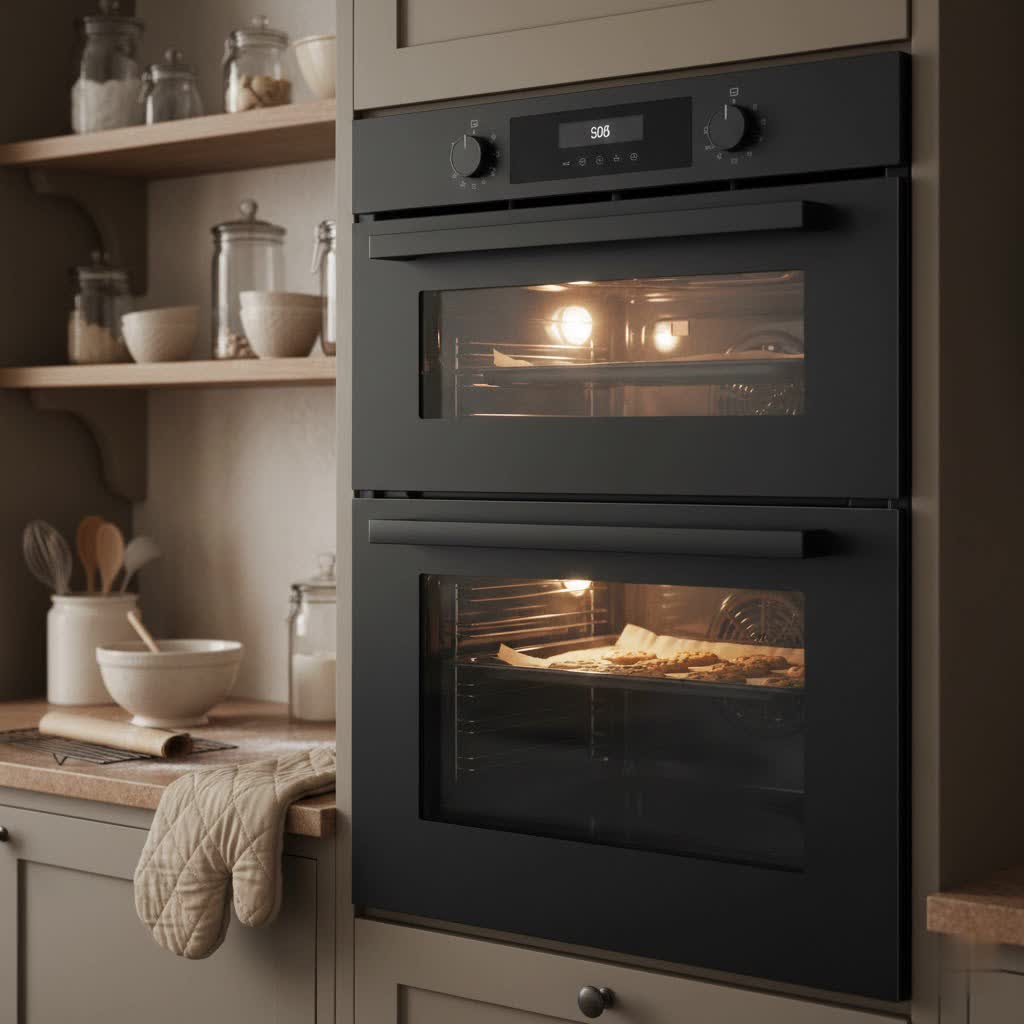
Understanding Your Broiler: The Science of Searing
Broiling is essentially upside-down grilling. Instead of heat coming from below, your oven’s broiler element delivers intense, direct radiant heat from above, cooking food rapidly and creating that desirable browned, crispy exterior. This high-heat method is fantastic for quick cooking and finishing dishes.
There are generally two types of broilers you’ll encounter in home ovens. The most common is an in-oven broiler, where the heating element is located at the top of your oven cavity. For gas ovens, you might also find a drawer broiler situated in a separate compartment beneath the main oven. While their locations differ, both function on the principle of direct overhead heat. Understanding which type you have is the first step to mastering its use.
Essential Preparation for Perfect Broiling
Success with broiling begins long before your food meets the heat. Proper preparation is crucial to ensure even cooking and prevent scorching.
Preheat for Precision
|
Our Picks for the Best Oven in 2026
As an Amazon Associate I earn from qualifying purchases.
|
||
| Num | Product | Action |
|---|---|---|
| 1 | Breville BOV900BSS Smart Oven Air Fryer Pro and Convection Oven, Brushed Stainless Steel |

|
| 2 | Gourmia French Door Air Fryer Oven - 37 Qt Large Capacity Convection Toaster Oven, FryForce 360°, Digital Display, 12 Cooking Presets, Dehydrate, Fits 13” Pizza, Dishwasher-Safe, Stainless Steel |
|
| 3 | BLACK+DECKER Crisp 'N Bake Air Fryer Toaster Oven Combo, 12 in 1 Countertop Convection Oven Cooks Food Fast, Fits a Whole Pizza or 6 Toast Slices, French Doors with Stainless Steel Finish |
|
| 4 | Emeril Lagasse Extra Large French Door Air Fryer Toaster Oven Combo, 24 Cooking Functions and Digital Controls, 7 Accessories Included, Stainless Steel Finish, 26QT Capacity |
|
| 5 | Ninja Air Fryer Toaster Oven Combo | 8-in-1 Functionality | Flip Up & Away for Storage Space | Air Fry Basket, Sheet Pan, Wire Rack & Removable Crumb Tray |1800 Watt | Stainless Steel | SP151 |
|
| 6 | Elite Gourmet ETO-4510M French Door 47.5Qt, 18-Slice Convection Oven 4-Control Knobs, Bake Broil Toast Rotisserie Keep Warm, Includes 2 x 12" Pizza Racks, Stainless Steel |
|
| 7 | BLACK+DECKER Crisp 'N Bake Air Fry Countertop Convection Toaster Oven, Medium Capacity, 4-Slice, 5-in-1, Fits 9” Pizza, 30-Min Timer, Bake, Broil, Air Fry, Toast, Keep Warm, Stainless Steel |
|
| 8 | BLACK+DECKER TO3250XSBD 8-Slice Extra Wide Convection Countertop Toaster Oven, Includes Bake Pan, Broil Rack & Toasting Rack, Stainless Steel/Black |
|
| 9 | Ninja Air Fryer & Toaster Oven Combo | 10-in-1 Prestige Smart XL Countertop Oven | Bake up to 20 Cookies, Fit up to a 12lb Turkey | Pizza, Toast, Bake, Dehydrate | 1800 Watt | Stainless Steel | DT501 |
|
| 10 | Cuisinart Air Fryer Toaster Oven, 1800W, 8-in-1 with Air Fry, Convection, Broil & Warm, 0.6 Cubic Feet, 60-Minute Timer, TOA-70NAS, Stainless Steel |
|
Just like grilling, preheating your broiler is non-negotiable. Turn your broiler on about 5-10 minutes before you plan to cook. This allows the element to reach its maximum temperature, ensuring an immediate and even blast of heat when your food goes in. A cold broiler will cook food slowly, making it prone to drying out before it browns.
Choosing the Right Cookware
The right pan can make all the difference. A broiler pan and grid is the ideal choice. The grid elevates your food, allowing fat and juices to drip into the pan below, which prevents smoking and promotes air circulation for crispier results. If you don’t have a dedicated broiler pan, a heavy-duty sheet pan with a wire rack placed inside works similarly.
- Pro Tip: Line the bottom pan (not the grid!) with aluminum foil for easier cleanup of drippings.
- Never use glass cookware under the broiler, as the intense direct heat can cause it to shatter. Stick to metal pans, cast iron skillets, or broiler-safe ceramic dishes.
Food Prep: The Details Matter
How you prepare your food before broiling significantly impacts the outcome.
- Pat Food Dry: Excess moisture on the surface of food will steam rather than sear, hindering browning and potentially causing scorching. Pat meats, fish, and vegetables thoroughly dry with paper towels before seasoning. If using a marinade, blot off any excess liquid.
- Trim Excess Fat: For meats like steaks or chops, trim off any large pieces of excess fat. This reduces flare-ups and excessive smoke, creating a cleaner cooking environment. For remaining fat on edges, make a few vertical slits to prevent the meat from curling under the intense heat.
- Lightly Oil Leaner Foods: While the broiler provides intense heat, lean meats and fish can dry out quickly. A light brush of oil or a thin layer of marinade will help them stay moist and promote a beautiful golden crust.
Mastering Rack Position and Heat Control
The distance between your food and the broiler element is arguably the most critical factor in achieving perfect results. Since most broilers don’t offer adjustable temperature settings, rack position is your primary control.
The Golden Rule of Distance
For most in-oven broilers, a distance of 3-4 inches from the heating element is a good starting point. This allows for rapid searing without immediate burning. Thinner items that cook quickly, like shrimp or thin fish fillets, can go a bit closer (2-3 inches). Thicker items, or foods you want to cook through more gently while still browning, might benefit from a slightly lower position (4-6 inches).
- High vs. Low Broil Settings: Some ovens offer “High Broil” and “Low Broil” settings. High broil uses the full power of the element for maximum intensity, ideal for thin items or quick browning. Low broil cycles the element on and off more frequently, providing a slightly less intense heat, suitable for thicker foods that need a bit more time to cook through without burning the exterior. Experiment with your specific oven to learn its nuances.
Keeping the Oven Door Ajar
For in-oven broilers, it’s often recommended to leave the oven door slightly ajar (about 3-4 inches open) during cooking. This small gap allows excess heat and steam to escape, preventing the broiler element from cycling off automatically due to overheating. It also helps prevent a steamy environment that could hinder crisping. Always check your oven’s manual, as some newer models are designed for closed-door broiling.
The Broiling Process: Watch Like a Hawk
Broiling is a hands-on, high-speed cooking method that demands your undivided attention.
Speed is of the Essence
Broiling is incredibly fast. Most foods will cook in 5-10 minutes, often requiring just a few minutes per side. Food can go from perfectly seared to completely charred in a matter of seconds. Never walk away from the oven when the broiler is on.
Constant Vigilance and Turning
Keep a close eye on your food. Once one side is beautifully browned, use tongs (for meats) or a wide spatula (for delicate fish) to carefully flip the food to ensure even cooking and browning on both sides. Thin cuts might not need to be turned.
When to Use the Broiler
The broiler is excellent for:
- Finishing Dishes: Giving a beautiful golden crust to gratins, casseroles, or mac and cheese.
- Searing: Quickly searing scallops, shrimp, or thin cuts of meat.
- Toasting: Toasting bread, melting cheese on sandwiches, or browning meringue.
- Crisping: Adding a crispy finish to roasted vegetables or chicken skin.
For thicker items, you might want to cook them partially in the oven first and then transfer them to the broiler for the final browning and crisping. This ensures the interior is cooked through without over-charring the exterior.
Even Cooking Tips
If your gas broiler has a single heating rod, you might notice uneven heat distribution. Position food in a line directly under the rod, or rotate the pan halfway through cooking to ensure all pieces get equal exposure.
Common Broiling Mistakes and How to Avoid Them
Even experienced cooks can make broiling blunders. Here’s how to steer clear of common pitfalls:
- Not Preheating: As discussed, a cold broiler leads to slow, uneven cooking. Always give it 5-10 minutes to heat up.
- Wrong Rack Position: Too close, and your food will burn instantly. Too far, and it will merely warm up without browning. Start with 3-4 inches and adjust based on the food.
- Leaving Food Unattended: The single biggest cause of burnt food under the broiler. Stay by your oven!
- Using the Wrong Cookware: Glass is a no-go. Stick to metal, cast iron, or broiler-safe ceramics.
- Ignoring Smoke Signals: A little smoke is normal, but excessive smoke indicates burning fat. Ensure you’ve trimmed fat and are using a broiler pan with a grid.
- Over-Marinating: Too much liquid on marinated food can steam and scorch easily. Blot off excess liquid before broiling.
- Not Cleaning Your Broiler Pan: Lingering drippings from previous cooks can smoke intensely. Always clean your broiler pan thoroughly.
Foods That Shine Under the Broiler
The broiler is a versatile tool for a variety of dishes:
- Thin Cuts of Meat & Fish: Chicken breasts, fish fillets (salmon, tilapia), shrimp, scallops, thin steaks (skirt, flank).
- Vegetables: Asparagus, bell peppers, zucchini, tomatoes, broccoli florets (tossed in oil and seasonings).
- Toasting & Browning: Garlic bread, cheese on nachos or French onion soup, gratin toppings, frittatas.
- Quick Desserts: Browning meringue on pies, caramelizing fruit.
Cleaning Up After Broiling
Broiling can sometimes lead to splatters and baked-on drippings. To make cleanup easier:
- Always line the bottom tray of your broiler pan with aluminum foil.
- Remove the broiler pan from the oven immediately after taking out your food. Leaving it in a hot oven allows drippings to bake on, making them harder to remove.
- Soak the grid and pan in hot, soapy water immediately after use.
Conclusion
Mastering your oven’s broiler is a skill that opens up a world of quick, flavorful cooking possibilities. By understanding the intense direct heat it provides, meticulously preparing your food, controlling rack placement, and maintaining constant vigilance, you can confidently achieve perfectly seared, browned, and crispy results without the dreaded char. No longer will the broiler be a source of kitchen anxiety, but rather a powerful ally in your culinary adventures. So, preheat, position, and prepare to be amazed at the delicious transformations you can create. What will be the first perfectly broiled dish you conquer?