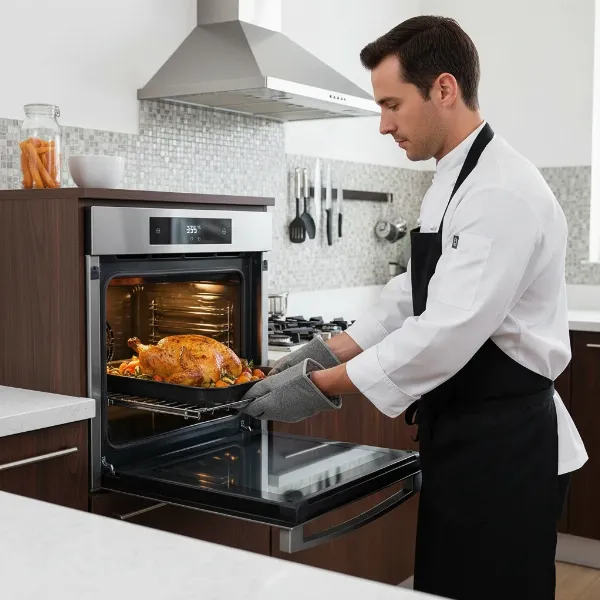
Your kitchen cabinetry represents a significant investment, both financially and aesthetically, contributing to the overall beauty and functionality of your home. However, the relentless heat and steam emanating from your oven can subtly, yet severely, undermine this investment over time. Without adequate protection, you might find your beautiful cabinets suffering from unsightly warping, discoloration, or even structural deterioration. This guide will walk you through essential strategies, from specialized heat shields to smart design choices and everyday practices, ensuring your cabinetry remains pristine for years to come.
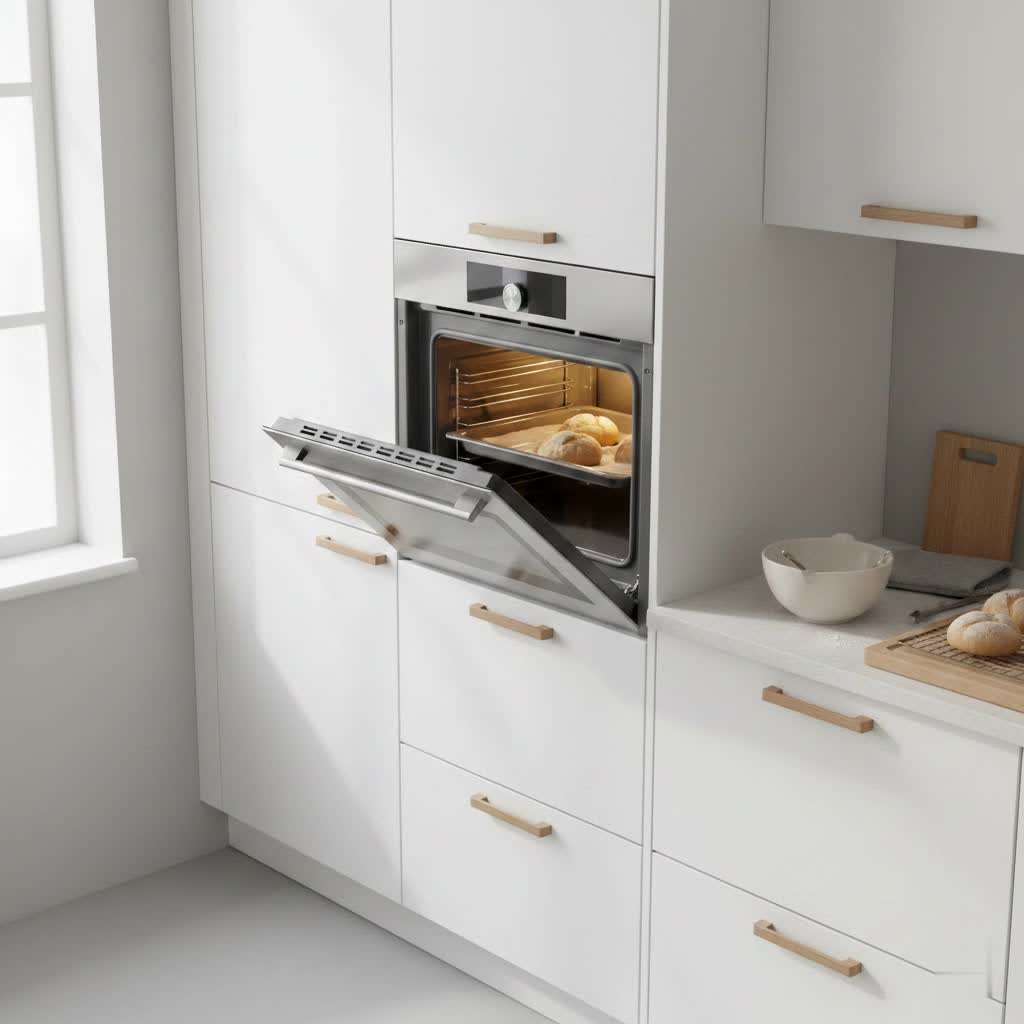
Understanding the Silent Threat: How Oven Heat Damages Cabinetry
Kitchens are naturally dynamic environments, bustling with culinary activity that inevitably generates heat and steam. While your oven is a cornerstone of this activity, its powerful heat output and the accompanying moisture can be surprisingly detrimental to surrounding cabinets. Materials like vinyl-wrapped cabinetry, often referred to as thermofoil, are particularly susceptible to heat, leading to bubbling, peeling, and yellowing. Even solid wood cabinets can warp, crack, or dry out over time, compromising both their appearance and structural integrity. This damage isn’t always immediate; it often manifests gradually, making proactive protection crucial to maintaining your kitchen’s sophisticated look.
Essential Protection: Harnessing the Power of Heat Shields
One of the most direct and effective methods to combat oven heat is the strategic application of heat shields. These specialized barriers are designed to deflect and insulate against thermal energy, keeping it from reaching sensitive cabinet surfaces.
Heat shields come in various forms, each offering distinct advantages. You might encounter clear acrylic shields, often 1/16th of an inch thick, which provide a discreet layer of protection, particularly beneficial for cabinets immediately adjacent to the oven. More robust options include self-adhesive aluminum foil or fiberglass sheets reinforced with a reflective aluminum outer layer. These materials are engineered to reflect up to 95% of radiant heat and can withstand remarkably high temperatures, often far exceeding typical oven temperatures.
Installation is typically straightforward, with many products featuring an adhesive backing that allows you to simply peel and stick the shield to the sides of the oven cavity or the underside of an upper cabinet. For maximum efficacy, some experts suggest creating a small air gap between the shield and the cabinet surface, which can further enhance insulation by trapping a layer of static air. These shields are especially recommended for cabinets made from heat-sensitive materials like thermofoil or laminate, preventing the common issues of delamination and discoloration.
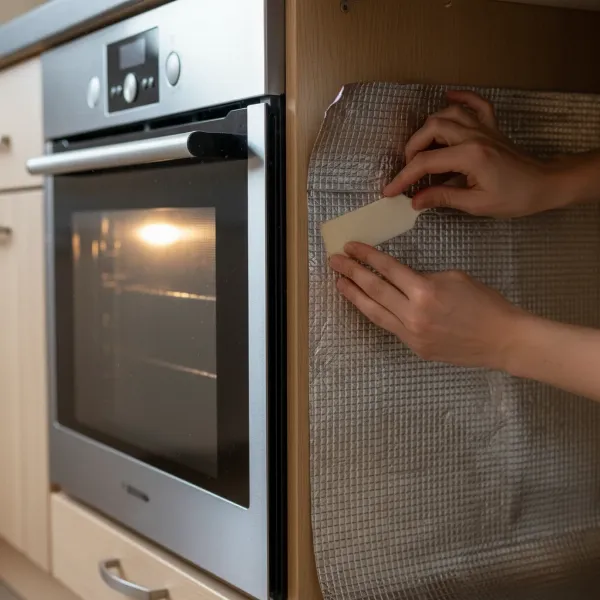 A person installing an adhesive heat shield on the side of a kitchen cabinet next to an oven to protect it from heat damage.
The Critical Role of Ventilation: Airflow as Your Ally
Beyond direct shielding, proper ventilation plays an indispensable role in protecting your cabinetry from heat and steam damage. A well-designed ventilation system actively removes hot, moist air before it has a chance to settle on and penetrate cabinet surfaces.
Range hoods are the primary line of defense. When correctly sized and regularly maintained, they efficiently capture rising heat and steam from your cooktop and oven, directing it outdoors. Ensure your range hood is powerful enough for your cooking habits and oven output, and clean its filters regularly to maintain optimal performance.
For built-in or countertop ovens that generate significant heat and steam, considering active fan ventilation can be highly beneficial. Some homeowners integrate small computer fans, strategically mounted to blow air from the back to the front over the top of the oven, preventing heat and condensation from accumulating on the underside of upper cabinets. This is particularly useful in preventing moisture-related damage like warping, especially when using steam-heavy cooking methods. During kitchen planning, you can also consider design adjustments such as slightly raising cabinets above heat-producing appliances, which naturally improves airflow and reduces direct heat exposure.
Smart Design and Material Choices: Building in Protection
Proactive protection begins long before you even start cooking. The materials chosen for your cabinetry and the overall kitchen design significantly influence its resilience to oven heat.
When selecting cabinet materials, some options inherently offer greater resistance to heat and moisture. Hardwoods such as oak, maple, and cherry, with their denser structures, are less prone to warping and cracking compared to softer woods. Thermofoil and laminate finishes, while needing additional protection in high-heat zones, are designed with a degree of heat and steam resistance, offering a durable and easy-to-clean surface. For ultimate heat resistance, metal cabinets, typically stainless steel, are an excellent, though less common, choice, bringing a professional and modern aesthetic to residential kitchens.
Strategic placement of your oven within the kitchen layout can also prevent future damage. Ensure adequate clearances around the appliance, adhering to manufacturer guidelines. Consider integrating features like self-closing cabinet doors, which can help minimize the duration of steam and heat exposure by ensuring cabinets remain closed. Thoughtful design minimizes direct heat transfer and allows for better air circulation around the oven, reducing the strain on your cabinetry.
> “Investing in high-quality wood and optimizing kitchen layout are foundational steps. These decisions, made early in the design phase, can drastically reduce future maintenance and damage concerns related to oven heat.” – Jane Smith, Lead Kitchen Designer at Innovate Interiors
Everyday Practices: Simple Tips for Long-Term Cabinet Care
Beyond specialized installations and thoughtful design, daily habits can go a long way in preserving your cabinetry from oven heat and steam.
Firstly, always take the time to read your oven’s instruction manual. Manufacturers often provide specific guidelines regarding clearances, ventilation, and even recommended usage to prevent heat buildup in surrounding areas. Following these recommendations is your first line of defense against preventable damage.
Regular cleaning and maintenance are also paramount. Wipe down cabinet surfaces regularly to remove any moisture, grease, or food splatters that could trap heat or contribute to material degradation. Use gentle cleaning agents to avoid damaging the cabinet finish. After using your oven, especially for high-temperature or steam-producing dishes, consider leaving the kitchen door open or running the range hood for a short period to help dissipate residual heat and steam. These small, consistent efforts will contribute significantly to the longevity and pristine condition of your kitchen cabinetry.
Conclusion
Protecting your kitchen cabinetry from the relentless assault of oven heat and steam is essential for preserving both its beauty and functionality. By implementing strategic measures such as installing effective heat shields, ensuring robust ventilation, making informed choices about cabinet materials and kitchen design, and adhering to simple daily maintenance routines, you can significantly extend the lifespan of your kitchen. Remember, preventing damage is always more cost-effective and satisfying than repairing it. What steps will you take today to safeguard your kitchen’s most valuable assets?
Frequently Asked Questions
Can oven heat really cause permanent damage to kitchen cabinets?
|
Our Picks for the Best Oven in 2026
As an Amazon Associate I earn from qualifying purchases.
|
||
| Num | Product | Action |
|---|---|---|
| 1 | BLACK+DECKER Crisp 'N Bake Air Fryer Toaster Oven Combo, 12 in 1 Countertop Convection Oven Cooks Food Fast, Fits a Whole Pizza or 6 Toast Slices, French Doors with Stainless Steel Finish |

|
| 2 | Elite Gourmet ETO-4510M French Door 47.5Qt, 18-Slice Convection Oven 4-Control Knobs, Bake Broil Toast Rotisserie Keep Warm, Includes 2 x 12" Pizza Racks, Stainless Steel |
|
| 3 | Ninja Air Fryer Toaster Oven Combo | 8-in-1 Functionality | Flip Up & Away for Storage Space | Air Fry Basket, Sheet Pan, Wire Rack & Removable Crumb Tray |1800 Watt | Stainless Steel | SP151 |
|
| 4 | Cuisinart Air Fryer Toaster Oven, 1800W, 8-in-1 with Air Fry, Convection, Broil & Warm, 0.6 Cubic Feet, 60-Minute Timer, TOA-70NAS, Stainless Steel |
|
| 5 | BLACK+DECKER Crisp 'N Bake Air Fry Countertop Convection Toaster Oven, Medium Capacity, 4-Slice, 5-in-1, Fits 9” Pizza, 30-Min Timer, Bake, Broil, Air Fry, Toast, Keep Warm, Stainless Steel |
|
| 6 | Emeril Lagasse Extra Large French Door Air Fryer Toaster Oven Combo, 24 Cooking Functions and Digital Controls, 7 Accessories Included, Stainless Steel Finish, 26QT Capacity |
|
| 7 | Ninja Air Fryer & Toaster Oven Combo | 10-in-1 Prestige Smart XL Countertop Oven | Bake up to 20 Cookies, Fit up to a 12lb Turkey | Pizza, Toast, Bake, Dehydrate | 1800 Watt | Stainless Steel | DT501 |
|
| 8 | BLACK+DECKER TO3250XSBD 8-Slice Extra Wide Convection Countertop Toaster Oven, Includes Bake Pan, Broil Rack & Toasting Rack, Stainless Steel/Black |
|
| 9 | Breville BOV900BSS Smart Oven Air Fryer Pro and Convection Oven, Brushed Stainless Steel |
|
| 10 | Gourmia French Door Air Fryer Oven - 37 Qt Large Capacity Convection Toaster Oven, FryForce 360°, Digital Display, 12 Cooking Presets, Dehydrate, Fits 13” Pizza, Dishwasher-Safe, Stainless Steel |
|
Yes, prolonged exposure to high oven heat and steam can cause significant and permanent damage to kitchen cabinets. This includes warping, cracking, discoloration, and peeling of finishes, especially for materials like thermofoil and laminate, compromising both the aesthetic and structural integrity of your cabinetry.
How do I know if my cabinets are at risk from oven heat?
Signs your cabinets are at risk include visible discoloration, blistering, or peeling on cabinet surfaces near the oven. If your cabinets feel unusually warm to the touch after oven use, or if you notice condensation buildup, these are indicators that they are being exposed to excessive heat and moisture.