Cleaning a greasy, baked-on oven is arguably one of the most dreaded kitchen chores. The elbow grease, the harsh chemicals, the endless scrubbing—it’s enough to make anyone sigh at the sight of a soiled oven interior. But what if your oven could clean itself with the touch of a button? Enter pyrolytic cleaning, a revolutionary technology designed to transform this arduous task into a simple wipe-away job. This article delves into the mechanics of pyrolytic self-cleaning, explores its distinct advantages and potential drawbacks, and helps you determine if this advanced feature is truly worth the investment for your home.
What is Pyrolytic Oven Cleaning?
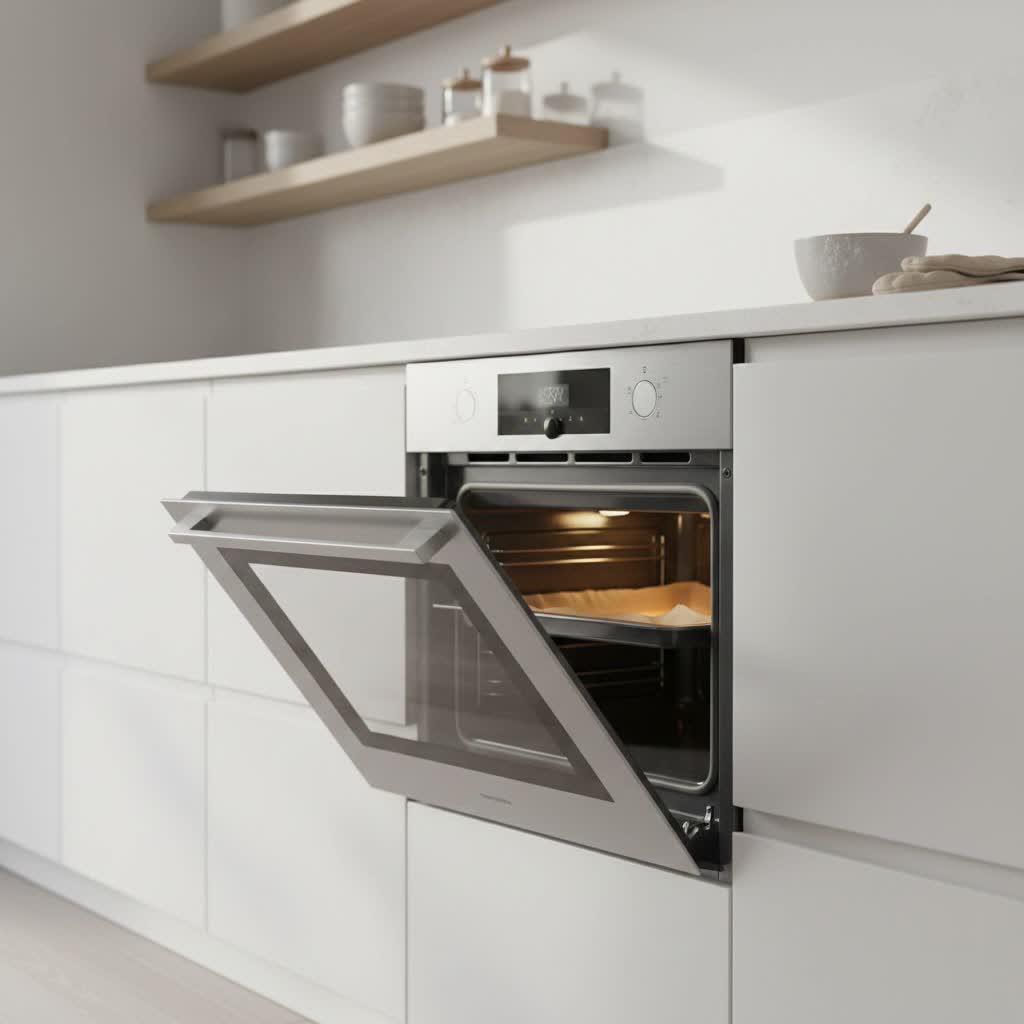
Pyrolytic cleaning, derived from the Greek words “pyro” (fire) and “lysis” (loosening), is an automatic self-cleaning process found in many modern ovens. Essentially, the oven superheats its interior to an extremely high temperature, typically between 400°C and 500°C (750°F to 930°F). At these scorching temperatures, all food residues, grease, and grime inside the oven are incinerated and reduced to a fine, white ash.
When you initiate a pyrolytic cycle, the oven door automatically locks for safety, preventing accidental opening during the intense heat. The cycle usually lasts between 1.5 to 3 hours, followed by a cool-down period. Once the oven has returned to a safe temperature and unlocked, all that remains is a small pile of ash, which can be effortlessly wiped away with a damp cloth. This high-temperature process eliminates the need for caustic oven cleaners and strenuous manual scrubbing, promising a deeply hygienic clean.
The Benefits of Pyrolytic Cleaning
The appeal of pyrolytic oven cleaning is clear, offering a suite of compelling advantages that can significantly enhance your kitchen experience:
Firstly, it provides an exceptionally thorough and effortless clean. The extreme heat penetrates every corner and crevice of the oven cavity, including hard-to-reach areas that are impossible to clean manually. This ensures virtually all baked-on grime, from stubborn grease to sugary spills, is completely vaporized. Secondly, pyrolytic cleaning eliminates the need for harsh chemicals. You can say goodbye to abrasive cleaners and unpleasant fumes, making it a safer and more environmentally friendly option for your home.
Moreover, this method offers superior hygiene. The intense temperatures sterilize the oven, effectively burning away bacteria and food particles, leaving a remarkably clean and sanitary cooking environment. Finally, it’s a significant time-saver. Instead of dedicating hours to scrubbing, you simply select a program, wait for the cycle to complete, and then perform a quick wipe-down, reclaiming valuable time for other activities. Many pyrolytic ovens also feature enhanced insulation, which not only keeps the exterior safer during cleaning but can also contribute to more efficient cooking by better retaining heat.
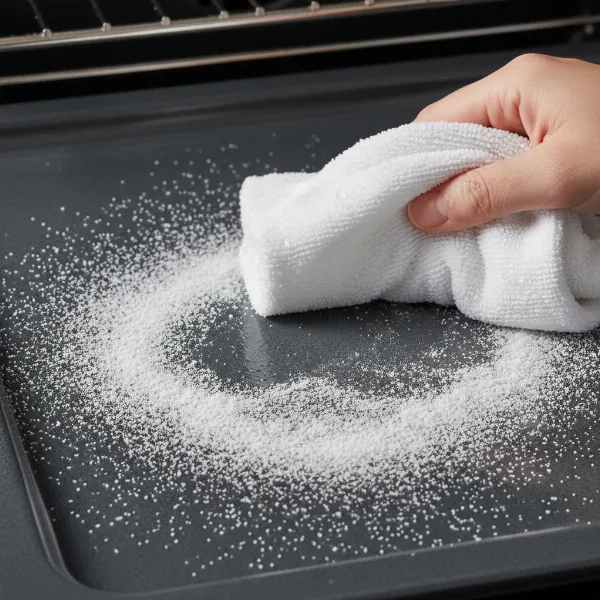 A close-up image of fine, white ash inside an oven after a pyrolytic cleaning cycle, ready to be wiped away.
Potential Drawbacks and Considerations
While pyrolytic cleaning offers remarkable convenience, it’s essential to consider a few potential drawbacks before making a purchase:
The most significant consideration is the higher initial cost of pyrolytic ovens compared to conventional or catalytic models. This advanced technology and robust insulation demand a premium price tag. Secondly, the cleaning cycle consumes a considerable amount of electricity due to the high temperatures required. Although used infrequently, this can lead to a noticeable spike in your energy bill during the cleaning period. Some models offer “Eco” modes or can be run during off-peak electricity hours to mitigate this.
Additionally, the cleaning cycle is long, typically lasting between 1.5 to 3 hours, plus a subsequent cool-down phase that can take another hour or more. During this time, your oven is completely out of action. You may also notice a strong odor or even some smoke during the cycle, especially if the oven is particularly dirty. This is due to the burning off of food residues and necessitates good kitchen ventilation by opening windows and using a range hood. Lastly, despite advanced insulation, the exterior surfaces of the oven can still get hotter than usual during a pyrolytic cycle, requiring caution and ensuring children and pets are kept away.
Pyrolytic vs. Other Oven Cleaning Methods
Understanding how pyrolytic cleaning stacks up against alternative methods can help clarify its value.
| Feature | Pyrolytic Cleaning | Catalytic Cleaning | Manual Cleaning | Steam (Hydrolytic) Cleaning |
|---|---|---|---|---|
| Effectiveness | Excellent (deep clean) | Moderate (absorbs grease) | Varies (manual effort) | Light (loosens grime) |
| Chemicals | None needed | None needed | Required (harsh cleaners) | Water only |
| Maintenance | Minimal wipe-down | Liners may need replacing | Frequent, intensive scrubbing | Wipe-down after steaming |
| Cost | Higher initial oven cost | Mid-range initial oven cost | Lowest initial oven cost | Lower initial oven cost |
Catalytic ovens feature special porous liners that absorb grease during normal cooking temperatures (above 200°C). While they help reduce grime, they are less effective against sugary spills and require some manual wiping. The catalytic liners also degrade over time, typically needing replacement after about five years, which adds to long-term costs.
Manual cleaning involves traditional scrubbing with oven cleaners, sponges, and brushes. It’s the most labor-intensive and often requires strong, potentially harmful chemicals. Its effectiveness is entirely dependent on your effort and the severity of the grime.
Steam (or hydrolytic) cleaning uses water and a lower heat setting to create steam, which helps loosen lighter grime. It’s an eco-friendly option, but it’s generally only effective for minor spills and requires manual wiping afterward to remove the softened residue. It’s not suitable for heavily soiled ovens.
Is a Pyrolytic Oven Worth It for You?
Deciding if a pyrolytic oven is a worthwhile investment largely depends on your lifestyle, cooking habits, and personal preferences regarding kitchen maintenance.
If you frequently cook greasy or messy dishes, roast meats often, or bake a lot, your oven will inevitably accumulate stubborn residue. For individuals who dread the laborious task of manual oven cleaning and prefer to avoid harsh chemical fumes, a pyrolytic oven presents an incredibly appealing solution. The unparalleled convenience and the promise of a truly spotless oven with minimal effort can easily justify the higher upfront cost and occasional energy usage.
Consider your budget. While the initial purchase price is higher, some argue that the long-term savings on chemical cleaners and the value of your time make it a sound investment. If you value convenience, hygiene, and a consistently pristine oven, then the answer is likely a resounding yes. However, if you rarely use your oven, prefer traditional cleaning methods, or are on a very strict budget, a pyrolytic model might be an unnecessary splurge. Ultimately, it comes down to how much you prioritize a hands-free, deep-cleaning experience in your kitchen.
“A pyrolytic oven is a game-changer for anyone who values time and hates scrubbing. The deep clean it provides simply can’t be matched by manual methods, offering both convenience and superior hygiene.”
Essential Tips for Using Your Pyrolytic Oven Safely and Effectively
To maximize the benefits and ensure safe operation of your pyrolytic oven, follow these key guidelines:
- Preparation is crucial: Before starting a cycle, remove all oven accessories, including racks, trays, and side runners (unless your specific model’s manual states they are pyrolytic-proof). Wipe away any large food debris or puddles of grease with a damp cloth. This pre-cleaning step helps minimize smoke and odors during the cycle.
- Ensure adequate ventilation: Open nearby windows and turn on your kitchen’s extractor fan or range hood before and during the pyrolytic cycle. This helps to dissipate any smoke or fumes that may be produced as residues burn off, maintaining good air quality in your home.
- Safety first during operation: The oven will reach extremely high temperatures, so keep children and pets away from the appliance. The door automatically locks for safety, but do not attempt to force it open. Avoid touching the exterior of the oven, as it can become very hot despite insulation.
- Post-cycle care: Once the cycle is complete and the oven has cooled down and unlocked, simply wipe away the remaining fine ash with a soft, damp cloth. Avoid using any chemical cleaners or abrasive materials, as these can damage the oven’s interior coating.
- Regular maintenance: Don’t wait until your oven is excessively dirty to run a pyrolytic cycle. Regular, lighter cleans (perhaps every 2-3 months or after particularly messy meals) can be more efficient and produce less smoke and odor than tackling heavily baked-on grime.
Conclusion
Pyrolytic oven cleaning represents a significant leap forward in kitchen convenience, transforming a universally disliked chore into a nearly effortless task. By leveraging extreme heat to incinerate grime into easily removable ash, these ovens offer an unmatched level of cleanliness without the need for harsh chemicals or strenuous scrubbing. While they come with a higher initial price tag and consume more energy during the cleaning cycle, the long-term benefits of saved time, superior hygiene, and ultimate convenience often outweigh these considerations for many homeowners.
If you find yourself frequently battling baked-on grease and value a sparkling clean oven without the effort, a pyrolytic model could be the perfect addition to your kitchen. Are you ready to embrace the future of oven cleaning and reclaim your evenings from scrubbing?
Frequently Asked Questions
How often should I use pyrolytic cleaning?
|
Our Picks for the Best Oven in 2026
As an Amazon Associate I earn from qualifying purchases.
|
||
| Num | Product | Action |
|---|---|---|
| 1 | Gourmia French Door Air Fryer Oven - 37 Qt Large Capacity Convection Toaster Oven, FryForce 360°, Digital Display, 12 Cooking Presets, Dehydrate, Fits 13” Pizza, Dishwasher-Safe, Stainless Steel |

|
| 2 | Emeril Lagasse Extra Large French Door Air Fryer Toaster Oven Combo, 24 Cooking Functions and Digital Controls, 7 Accessories Included, Stainless Steel Finish, 26QT Capacity |
|
| 3 | BLACK+DECKER TO3250XSBD 8-Slice Extra Wide Convection Countertop Toaster Oven, Includes Bake Pan, Broil Rack & Toasting Rack, Stainless Steel/Black |
|
| 4 | Ninja Air Fryer Toaster Oven Combo | 8-in-1 Functionality | Flip Up & Away for Storage Space | Air Fry Basket, Sheet Pan, Wire Rack & Removable Crumb Tray |1800 Watt | Stainless Steel | SP151 |
|
| 5 | Elite Gourmet ETO-4510M French Door 47.5Qt, 18-Slice Convection Oven 4-Control Knobs, Bake Broil Toast Rotisserie Keep Warm, Includes 2 x 12" Pizza Racks, Stainless Steel |
|
| 6 | BLACK+DECKER Crisp 'N Bake Air Fry Countertop Convection Toaster Oven, Medium Capacity, 4-Slice, 5-in-1, Fits 9” Pizza, 30-Min Timer, Bake, Broil, Air Fry, Toast, Keep Warm, Stainless Steel |
|
| 7 | Ninja Air Fryer & Toaster Oven Combo | 10-in-1 Prestige Smart XL Countertop Oven | Bake up to 20 Cookies, Fit up to a 12lb Turkey | Pizza, Toast, Bake, Dehydrate | 1800 Watt | Stainless Steel | DT501 |
|
| 8 | BLACK+DECKER Crisp 'N Bake Air Fryer Toaster Oven Combo, 12 in 1 Countertop Convection Oven Cooks Food Fast, Fits a Whole Pizza or 6 Toast Slices, French Doors with Stainless Steel Finish |
|
| 9 | Cuisinart Air Fryer Toaster Oven, 1800W, 8-in-1 with Air Fry, Convection, Broil & Warm, 0.6 Cubic Feet, 60-Minute Timer, TOA-70NAS, Stainless Steel |
|
| 10 | Breville BOV900BSS Smart Oven Air Fryer Pro and Convection Oven, Brushed Stainless Steel |
|
The frequency depends on your cooking habits. For most households, running a pyrolytic cycle every 3 to 6 months, or after particularly messy cooking sessions, is sufficient to maintain a clean oven. Some ovens also offer lighter, shorter cycles for more regular use.
Can I leave oven racks inside during a pyrolytic clean?
Generally, no. Standard oven racks and trays are not designed to withstand the extreme temperatures of a pyrolytic cycle and can discolor or be damaged. Always remove all accessories unless your oven’s manual explicitly states they are pyrolytic-proof.
Is pyrolytic cleaning safe for my home?
Yes, modern pyrolytic ovens are designed with multiple safety features, including automatic door locks and enhanced insulation. However, it’s crucial to ensure good ventilation, keep children and pets away from the hot appliance, and follow all manufacturer instructions to ensure safe operation.
What causes smoke during pyrolytic cleaning?
Smoke and odors are produced when food residues and grease burn off at high temperatures. The amount of smoke is directly related to how dirty your oven is. Pre-cleaning large spills and ensuring good ventilation can significantly reduce smoke and smell.
Does pyrolytic cleaning use a lot of electricity?
A pyrolytic cycle uses more electricity than normal cooking due to the high temperatures. However, because it’s used infrequently (typically a few times a year), the overall impact on your annual energy bill is usually manageable, often comparable to the cost of purchasing chemical oven cleaners.